32 Names of Durga: Divine Goddess Manifestations and Spiritual Significance
In Hindu spirituality, the 32 names of Durga represent different manifestations and divine attributes of the supreme goddess, celebrated across India and by millions of devotees worldwide. Each name carries profound spiritual meaning and connects to specific powers, qualities, and cosmic roles. Understanding these names deepens devotion and reverence for the goddess who symbolizes strength, protection, and victory over darkness.
The 32 Names of Durga: Complete List and Meanings
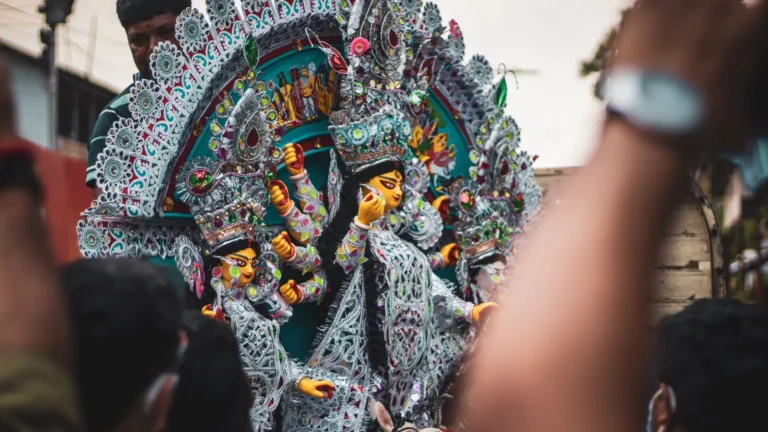
Durga, also known as Parvati, Shakti, and Mahakali, holds many titles reflecting her omnipotent nature. These names appear in sacred texts including the Devi Mahatmya and various Puranas, celebrated especially during Navratri festivals.
Primary Durga Names and Manifestations
- Durga (the invincible, undefeatable)
- Parvati (daughter of the mountain)
- Uma (light, splendor)
- Gauri (golden, radiant)
- Annapurna (abundant nourishment)
- Kali (the dark one, time)
- Chandi (fierce, wrathful)
- Chandika (the fierce slayer)
- Mahakali (great time, eternity)
- Mahishasuramardini (slayer of the buffalo demon)
- Parameshwari (supreme goddess)
- Ambika (mother)
- Amba (mother goddess)
- Bhagavati (blessed, fortunate)
- Bhairavi (terrifying, fierce form)
Forms Associated with Navratri Worship
- Shailaputri (daughter of the mountain)
- Brahmacharini (engaged in penance)
- Chandraghanta (crescent moon vessel)
- Koushiki (embodiment of joy)
- Skandamata (mother of Skanda)
- Katyayani (worshipped by sage Katyayan)
- Kalratri (dark night, death of time)
- Mahagauri (exceptionally white, pure)
- Siddhidatri (giver of perfection)
Tantric and Philosophical Names
- Lalita (playful, sportive)
- Tripura (ruler of three worlds)
- Kamakshi (desire-eyed)
- Meenakshi (fish-eyed)
- Bandhini (the binder)
- Maheshwari (great goddess)
- Bhavani (giver of existence)
- Kamadhenu (wish-fulfilling cow)
These 32 names represent the comprehensive divine nature of the goddess, encompassing her nurturing, protective, and destructive aspects. Each name invokes specific blessings and spiritual qualities.
Significance of Durga Names in Devotion
Chanting or meditating on these names is believed to invoke the goddess’s protection and blessings in devotees’ lives. Many Hindus recite the Durga Saptashati, which celebrates her victory over demons and establishes her supreme cosmic role.
The variety of names reflects how Durga appears differently to different devotees based on their needs—as a gentle mother through Annapurna, as a fierce warrior through Chandi, and as the ultimate reality through Parameshwari. Names hold significant power in spiritual traditions, and Durga’s names exemplify this principle.
How Devotees Use These Names
Many Hindus incorporate these names into daily prayers, meditation practices, and ritual worship. During Navratri, the nine-day festival celebrates the goddess through different forms, each represented by specific names and attributes.
Mantras built around these names are chanted for protection, prosperity, and spiritual growth. The most famous is the Durga Mantra, which invokes her divine protection and strength against all obstacles.
For more on Hindu goddesses and their names, see Wikipedia’s Durga article.
Frequently Asked Questions
What do the 32 names of Durga represent?
They represent different manifestations of the goddess’s power, covering her protective, nurturing, fierce, and transcendent aspects across Hindu philosophy and practice.
How are these names used in worship?
Devotees recite them in mantras, prayers, and meditations, especially during Navratri festival and daily spiritual practice to invoke divine blessings.
Do all traditions include the same 32 names?
Some variations exist across different regional and sectarian traditions, though core names like Durga, Kali, and Parvati appear consistently.
Can anyone chant these names?
Yes, anyone interested in Hindu spirituality can chant Durga’s names; many find them beneficial regardless of background or formal initiation.
What’s the best time to recite Durga’s names?
Navratri (nine days celebrating the goddess) is traditionally most auspicious, though many devotees chant year-round during morning meditation and evening prayers.