
9 Days of Navratri Devi Names: Complete Guide to All Nine Divine Forms
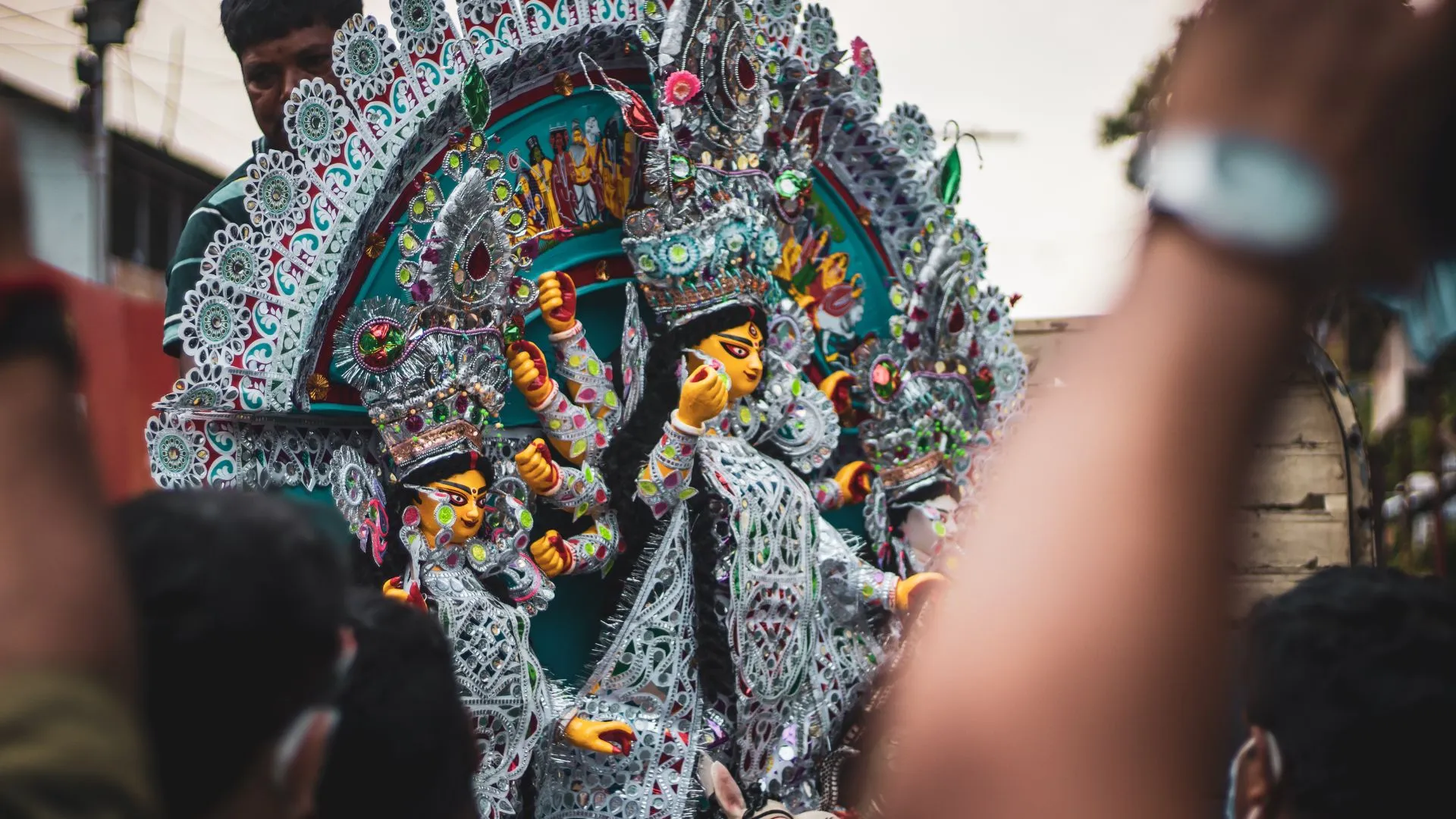
Navratri is one of the most significant festivals in Hindu tradition, celebrating nine nights dedicated to the divine feminine energy known as Devi or Shakti. The 9 days of Navratri Devi names represent nine powerful forms of the goddess, each with unique characteristics, weapons, and spiritual significance. Understanding these names deepens your appreciation for this sacred celebration and helps you connect more meaningfully with the festival’s spiritual essence.
Understanding the 9 Days of Navratri Devi Names
Each day of Navratri honors a distinct form of the divine mother, representing different aspects of power, knowledge, and protection. These nine goddesses are worshipped across India with tremendous devotion and elaborate rituals.
The festival culminates with Dussehra, celebrating the victory of good over evil. Millions of devotees fast, perform pujas (worship ceremonies), and sing bhajans (devotional songs) during these sacred nine days.
Day 1: Shailaputri (Goddess of Mountains)
- Shailaputri (daughter of the mountain)
- Parvati (the mountaineer)
- Hemavati (born of gold mountains)
- Girija (mountain-born)
- Adikanya (the primordial goddess)
- Annapurna (full of nourishment)
- Brahmi (consort of Brahma)
- Ambika (the mother)
- Dharitri (the earth)
- Kanya (the maiden)
Shailaputri is invoked on the first day as she represents the nurturing and grounding energy of the earth and mountains. She rides a bull and carries a lotus and trident, symbolizing strength and spiritual knowledge.
Day 2: Brahmacharini (The Goddess of Penance)
- Brahmacharini (devoted to Brahma)
- Tapasvi (one who performs penance)
- Tapi (the ascetic)
- Devi (the goddess)
- Sakshi (the witness)
- Sharada (goddess of learning)
- Veda Mata (mother of Vedas)
- Savitri (the divine mother)
- Gayatri (protector of souls)
- Saraswati (goddess of wisdom)
On day two, Brahmacharini embodies dedication, discipline, and spiritual pursuit. She holds a rosary and a water vessel, representing meditation and purification of the soul.
Day 3: Chandraghanta (The Goddess with a Moon-Shaped Forehead)
- Chandraghanta (with moon-like forehead mark)
- Ghanta (the bell)
- Chandi (the fierce)
- Mahishasur Mardini (slayer of buffalo demon)
- Durga (invincible fortress)
- Amba (the mother)
- Uma (the splendor)
- Gauri (the golden one)
- Kali (the dark one)
- Bhagwati (the blessed)
Chandraghanta is the warrior form of the goddess, symbolizing bravery and protection. She rides a tiger and carries multiple weapons, demonstrating her power to vanquish negativity and fear.
Day 4: Kushmanda (The Cosmic Creator)
- Kushmanda (the creator of the universe)
- Ashtabhuja (eight-armed)
- Bhagavati (the blessed one)
- Jagadamba (mother of the world)
- Sakshi (the witness)
- Tripada (threefold)
- Ananta (infinite)
- Brahmi Shakti (cosmic power)
- Udita (risen up)
- Jayalakshmi (victorious wealth)
Kushmanda is believed to have created the universe with her divine laugh or smile. She sits on a lion throne and radiates cosmic energy and abundance to all beings.
Day 5: Skandamata (Mother of Skanda)
- Skandamata (mother of Skanda/Kartikeya)
- Devasenani (commander of divine forces)
- Kartikeya Vallabha (beloved of Kartikeya)
- Shashthi (sixth day goddess)
- Balasundari (beautiful child form)
- Pushti (nourishment)
- Vardhani (prosperity giver)
- Kamakshi (wish-fulfilling eyes)
- Shri (wealth and fortune)
- Lakshmi (goddess of prosperity)
Skandamata embodies motherhood and unconditional love, representing the ultimate caretaker energy. She is worshipped for protection of children and fulfillment of maternal blessings.
Day 6: Katyayani (The Divine Warrior)
- Katyayani (born to sage Katyayan)
- Mahishasur Mardini (buffalo demon slayer)
- Sinhavasini (seated on a lion)
- Vaishnavi (power of Vishnu)
- Shakti (cosmic energy)
- Jayanti (victorious)
- Aparajita (invincible)
- Durga (fortress)
- Mahabaleshwari (supreme strength)
- Vaishnaveshwari (goddess of Vaishnavism)
Katyayani is the warrior goddess known for her fearless battle against evil forces. Young women traditionally worship her seeking courage and wisdom in life decisions.
Day 7: Kaalratri (The Dark Destroyer of Ignorance)
- Kaalratri (dark night of time)
- Kali (the black one)
- Mahakali (supreme time)
- Shyama (the dark-complexioned)
- Param Eshwari (supreme controller)
- Maha Kali (great time destroyer)
- Nirakar (formless)
- Mahashakti (supreme power)
- Bhairavi (the fierce)
- Chamunda (slayer of demons Chanda and Munda)
Kaalratri represents the darkest, most powerful form of the goddess, destroying ignorance and negativity. She dissolves all fears and represents the ultimate annihilation of evil forces.
Day 8: Mahagauri (The Extremely White Goddess)
- Mahagauri (the extremely white one)
- Gauri (the golden one)
- Sudha Sagar (ocean of nectar)
- Sattwic Shakti (pure cosmic force)
- Anjanasundari (beautiful like Anjana)
- Shubhankari (giver of auspiciousness)
- Shuddha Satwa (pure essence)
- Mukundapriya (beloved of Mukund/Krishna)
- Chandrachhaya (moonlit shadow)
- Amrita Sundari (beautiful like nectar)
Mahagauri symbolizes peace, purity, and calmness after the fierce battle of Kaalratri. She grants relief from suffering and offers grace to all devoted worshippers.
Day 9: Siddhidatri (Giver of Supernatural Powers)
- Siddhidatri (giver of accomplishments)
- Brahmi (consort of Brahma)
- Vaishnavi (power of Vishnu)
- Mahendra (great power of Indra)
- Chamunda (slayer of Chanda and Munda)
- Anima Siddhi (power of becoming infinitely small)
- Laghima Siddhi (power of weightlessness)
- Garima Siddhi (power of becoming heavy)
- Prapti Siddhi (power of obtaining anything)
- Prakamya Siddhi (power of wish fulfillment)
Siddhidatri is worshipped for granting supernatural abilities, wisdom, and spiritual accomplishments. She represents the ultimate fulfillment of all desires and the achievement of divine powers.
Extended List of Navratri Devi Names and Forms
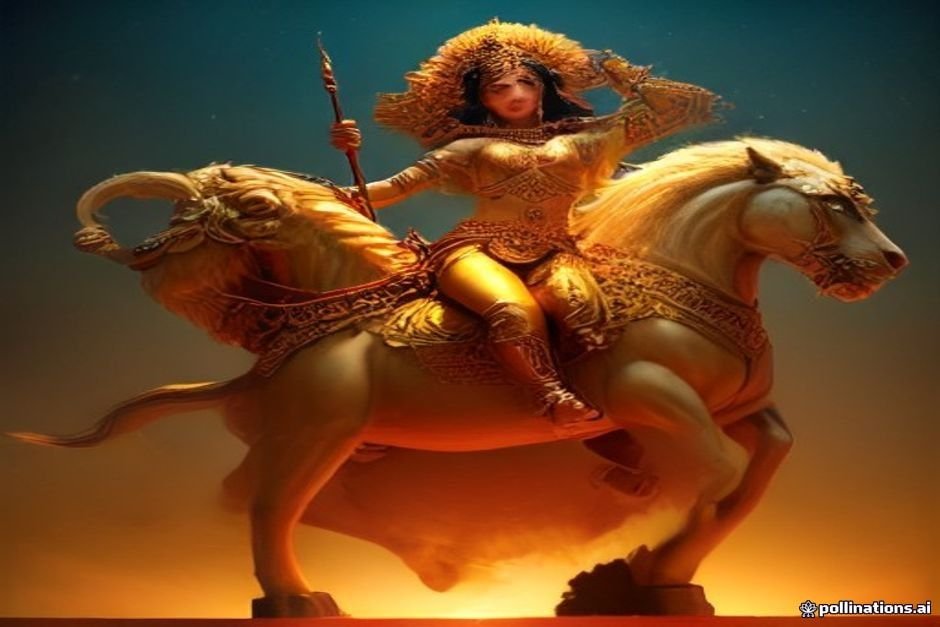
Beyond the nine primary forms, Hindu tradition recognizes numerous names and epithets for the divine mother across Navratri celebrations.
Additional Names of the Goddess
- Adi Shakti (primordial power)
- Mahadevi (the great goddess)
- Uma (the graceful)
- Parvati (mountain goddess)
- Annapurna (full of food)
- Kamakshi (wish-fulfilling eyes)
- Meenakshi (fish-eyed)
- Jahnavi (daughter of Jahnu)
- Narmada (the flowing one)
- Tara (the star)
- Bhavani (giver of existence)
- Ashapuri (fulfiller of wishes)
- Manorama (pleasing to mind)
- Mohini (the enchantress)
- Sundari (the beautiful)
- Yamuna (sacred river)
- Ganga (holy river)
- Saraswati (flowing wisdom)
- Lakshmi (wealth and fortune)
- Prana Shakti (vital energy)
Warrior and Fierce Forms
- Durga (invincible fort)
- Chandi (the fierce)
- Bhairavi (the terrifying)
- Chamunda (demon slayer)
- Kali (time and death)
- Bhadrakali (auspicious Kali)
- Rakta Chanda (blood-hungry)
- Raktadantika (red-toothed)
- Sarva Mangala (good for all)
- Sarvari (the night)
- Tripura Sundari (beautiful in three worlds)
- Vaishnavi (Vishnu’s power)
- Brahmani (Brahma’s power)
- Maheswari (Shiva’s power)
- Narasimhi (lion-woman form)
Protective and Benevolent Forms
- Kamala (lotus dweller)
- Pushti (nourishment)
- Medha (wisdom)
- Riddhi (prosperity)
- Siddhi (perfection)
- Daya (compassion)
- Rati (affection)
- Priti (love)
- Bhakti (devotion)
- Mukti (liberation)
- Mukunda Priya (beloved of Lord Krishna)
- Radha (energy of Krishna)
- Sita (the furrow)
- Ahalya (immaculate)
- Savitri (solar energy)
Cosmic and Philosophical Names
- Maya (illusion)
- Prakriti (nature)
- Brahmi (cosmic intelligence)
- Avidya (ignorance)
- Vidya (knowledge)
- Kama (desire)
- Krodha (anger)
- Lobha (greed)
- Moha (delusion)
- Mada (arrogance)
- Matsarya (jealousy)
- Ahamkara (ego)
- Ahimsa (non-violence)
- Satya (truth)
- Dharma (righteousness)
For more information on Hindu goddess traditions and Navratri celebrations, see Wikipedia’s Navratri article.
Significance of Worshipping Each Form
Each of the nine forms represents different life challenges and spiritual lessons. Worshipping these forms helps devotees overcome obstacles, gain courage, and achieve spiritual growth during Navratri.
Many people adopt names from these goddesses as given names for their children, especially girls born during Navratri, as it’s considered auspicious. If you’re interested in other meaningful naming traditions, you might also explore beautiful names for female horses, which similarly celebrates the divine feminine energy in different contexts.
How to Connect with These Names During Navratri
Devotees meditate on each form daily, chanting their names and mantras to invoke specific blessings. Different regions of India celebrate with unique rituals, foods, and traditions honoring each goddess.
Fasting is a common practice during Navratri, with many devotees observing partial or complete fasts throughout the nine days. This spiritual discipline is believed to purify the body and mind while strengthening connection with the divine mother. If you’re seeking inspiration for other spiritual naming practices, explore meaningful team names that can embody these same spiritual principles in modern contexts.
Frequently Asked Questions
What is the significance of Navratri’s nine days?
The nine days represent the nine forms of Devi and celebrate the victory of good over evil. Each day is dedicated to overcoming different obstacles and achieving spiritual growth through devotion.
Can I name my daughter after Navratri goddesses?
Yes, naming daughters after these goddesses is a cherished tradition in Hindu culture. It’s considered auspicious and blessing, especially if the child is born during Navratri.
What is the difference between Navratri and Dussehra?
Navratri spans nine days of goddess worship, while Dussehra is the tenth day celebrating the victory of goddess Durga over buffalo demon Mahishasur and Lord Rama over Ravana.
How are these goddesses worshipped differently across India?
Different regions observe unique customs—North India celebrates Ramlila, South India honors Durga Puja, and West India celebrates Garba. Each region emphasizes different aspects of the nine goddesses.
What are the key symbols associated with each Navratri goddess?
Each goddess carries specific weapons and rides particular animals. For example, Durga rides a lion and carries a trident, while Lakshmi holds a lotus and sits on an owl, each symbolizing different virtues.
Are there other names for the Navratri goddesses?
Yes, these goddesses have numerous alternate names across different Hindu texts and regional traditions. The names often describe their powers, appearances, or specific divine functions.
What is Dussehra and how does it relate to Navratri?
Dussehra marks the tenth day after Navratri, celebrating the goddess’s triumph over evil. It signifies the victory of light over darkness and righteousness over wickedness.
Can men worship these goddesses during Navratri?
Absolutely, these goddesses are worshipped by all regardless of gender. The divine mother’s blessings are universal and open to all devotees who approach with sincere faith.
The 9 days of Navratri Devi names represent a profound spiritual journey through nine distinct expressions of divine feminine energy, each offering unique blessings and life lessons. Whether you’re seeking spiritual growth, honoring tradition, or choosing a meaningful name, these goddesses provide timeless wisdom and inspiration for millions of devotees worldwide.