
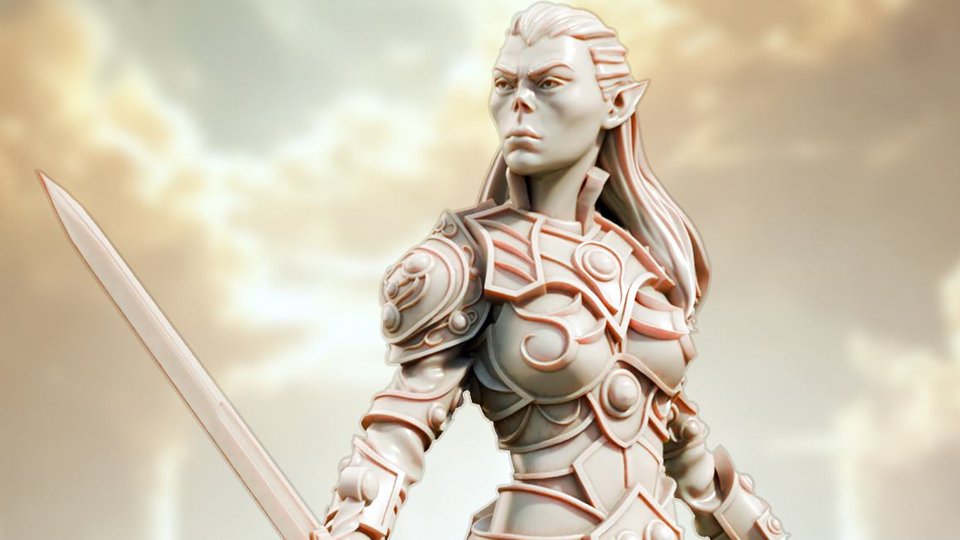
Gith Names: 150+ Unique D&D Character Name Ideas for Your Githyanki and Githzerai
Choosing the right name for your Gith character is one of the most exciting parts of building a new D&D persona. Whether you’re creating a fierce Githyanki warrior or a disciplined Githzerai monk, the perfect name sets the tone for your entire character’s identity and backstory. Gith names carry a distinctive alien elegance that reflects the cosmic origins and philosophical depth of these fascinating D&D races.
Understanding Gith Names in D&D
Gith names have a unique phonetic quality that sounds otherworldly and mysterious. They typically feature sharp consonants, unusual vowel combinations, and a structure that feels distinctly non-human, making them perfect for these extraplanar beings.
The two main Gith subraces Githyanki and Githzerai share a common linguistic root but often develop distinct naming conventions based on their cultural values. Githyanki names tend to sound more martial and commanding, while Githzerai names often feel more contemplative and philosophical.
Traditional Githyanki Names
Githyanki are known for their militaristic society and honor-bound traditions, so their names often reflect strength and authority:
- Zar’aasch
- Vel’thar
- Kethis
- Zargh
- Vex’thar
- Aal’zeth
- Kheth
- Myzath
- Vyx’ara
- Thol’kar
- Zariska
- Vex’saa
- Kythal
- Zhar’aak
- Vel’sha
- Rath’zex
- Xarath
- Myzzara
- Keth’ara
- Vyl’kar
Githzerai Monastic Names
Githzerai embrace meditation and mental discipline, reflected in their more flowing and contemplative names:
- Sha’ir
- Kethis
- Azura
- Theth’mir
- Saa’rin
- Var’eth
- Isa’kai
- Mor’thas
- Syl’veth
- Kair’eth
- Tha’mir
- Vel’sai
- Mor’keth
- Sha’vir
- Eth’val
- Kai’ra
- Syr’eth
- Veth’ara
- Mir’kos
- Esh’tir
Powerful Female Gith
Female gith characters command respect and possess the same fierce determination as their male counterparts. These names capture strength and authority:
- Vex’ala
- Zariska
- Keth’ara
- Myzzala
- Shar’ika
- Vel’sha
- Xal’tara
- Rath’zara
- Zhy’ka
- Vyx’ara
- Kyl’sha
- Thel’ara
- Vir’sha
- Sar’aka
- Myz’tara
- Zeth’ira
- Kash’ala
- Vel’tara
- Xyra’kai
- Syl’ka
Mystical and Rare
These uncommon Gith carry an air of mystery and cosmic significance, perfect for characters with unique backstories or powerful psionic abilities:
- Azeth’mir
- Kar’shai
- Tyr’vex
- Syr’antha
- Keth’vor
- Val’soren
- Zyx’tira
- Eth’zar
- Vir’nethys
- Mor’kaen
- Shai’ker
- Rax’tir
- Kyr’vex
- Ash’voren
- Zal’mir
- Var’sheth
- Thir’vex
- Syl’voren
- Xyr’keth
- Vel’soren
Short and Sharp
Sometimes a brief, punchy name perfectly captures a gith character’s essence. These shorter options work great for warriors and fighters:
- Zak
- Vex
- Keth
- Ryx
- Zix
- Thak
- Vyr
- Sax
- Kel
- Mir
- Zar
- Xar
- Vel
- Raz
- Tyr
- Kel
- Xys
- Myx
- Kar
- Sha
Epic and Legendary
For characters with grand destinies or significant achievements, these longer, more elaborate gith names command attention and respect:
- Zar’vexthasil
- Vel’karathor
- Kyreth’vasimir
- Shar’vexathon
- Myzareth’vor
- Thol’karevix
- Xar’vethsilon
- Keth’vorsalim
- Vel’sytharon
- Zyx’varen’thar
- Rax’vethalom
- Ash’varenthis
- Mor’kathvexis
- Syl’verothan
- Var’sethalom
- Tyr’vexathon
- Kyr’vasynthel
- Eth’varenthis
- Zal’morthaven
- Val’kerathon
Psionic Characters
These names emphasize the mental and psionic nature that many gith possess, ideal for psions, warlocks, or spellcasters:
- Psy’vex
- Myn’thar
- Kal’eth
- Zyn’sai
- Thel’vor
- Syn’rath
- Vel’myn
- Ren’atha
- Kyr’eon
- Azyn’sil
- Tyr’myn
- Syr’keth
- Vyn’shar
- Myr’val
- Eth’syn
- Zyr’kal
- Rah’vyn
- Kyn’tira
- Shen’ryx
- Thyr’vex
How to Choose a Great Name
Selecting the perfect name for your gith character involves more than just picking something that sounds cool. Here are some practical tips to guide your decision:
- Consider your character’s role: Warriors might benefit from sharper, more commanding names, while monks and psions suit contemplative, flowing options.
- Think about pronunciation: Choose a name you can confidently pronounce in conversations with your gaming group to avoid awkward moments during roleplay.
- Reflect on personality: Does your character’s name match their temperament? A quiet scholar and a brutal commander should sound distinctly different.
- Check with your DM: Ensure your chosen name fits within your campaign’s established world and doesn’t conflict with other character names in the party.
- Say it out loud: Test how the name flows when spoken aloud; it should feel natural and exciting when you introduce your character.
- Create a backstory connection: Consider what your character’s name might mean in gith culture and how it relates to their personal history.
For more on D&D naming conventions and character creation, see Wikipedia’s Dungeons & Dragons article.
Also read Fire Genasi Names.
Frequently Asked Questions
What makes a good gith name?
A strong gith name combines sharp consonants and unusual vowel patterns that sound otherworldly. It should be easy enough to pronounce during gameplay while maintaining that alien mystique that defines the gith races.
Can I modify or combine gith names?
Absolutely! Many players create custom names by blending elements from different gith names or adjusting existing ones to better fit their character concept. Just ensure the modification still maintains the distinctive gith phonetic style.
Are there cultural differences between Githyanki and Githzerai names?
Yes, Githyanki names tend to sound more harsh and militaristic, while Githzerai names often have a more melodic, contemplative quality that reflects their monastic traditions and philosophical nature.
How do I pronounce complicated gith names?
Most gith names follow consistent phonetic patterns. Generally, treat hard consonant clusters naturally and emphasize syllables evenly unless you prefer otherwise. Your group’s interpretation is what matters most in your campaign.