
Construction Trucks Names: 200+ Popular Vehicle Types and Brand Names
When you’re working on a job site or just fascinated by heavy machinery, understanding construction trucks names helps you communicate effectively with crews and contractors. Whether you’re managing a project, shopping for equipment, or teaching kids about construction vehicles, knowing the proper names and classifications of these machines is incredibly useful. This comprehensive guide breaks down the most common construction truck names, from small utility vehicles to massive excavators and dozers.
Popular Equipment and Machinery Types
Dump Trucks and Hauling Vehicles
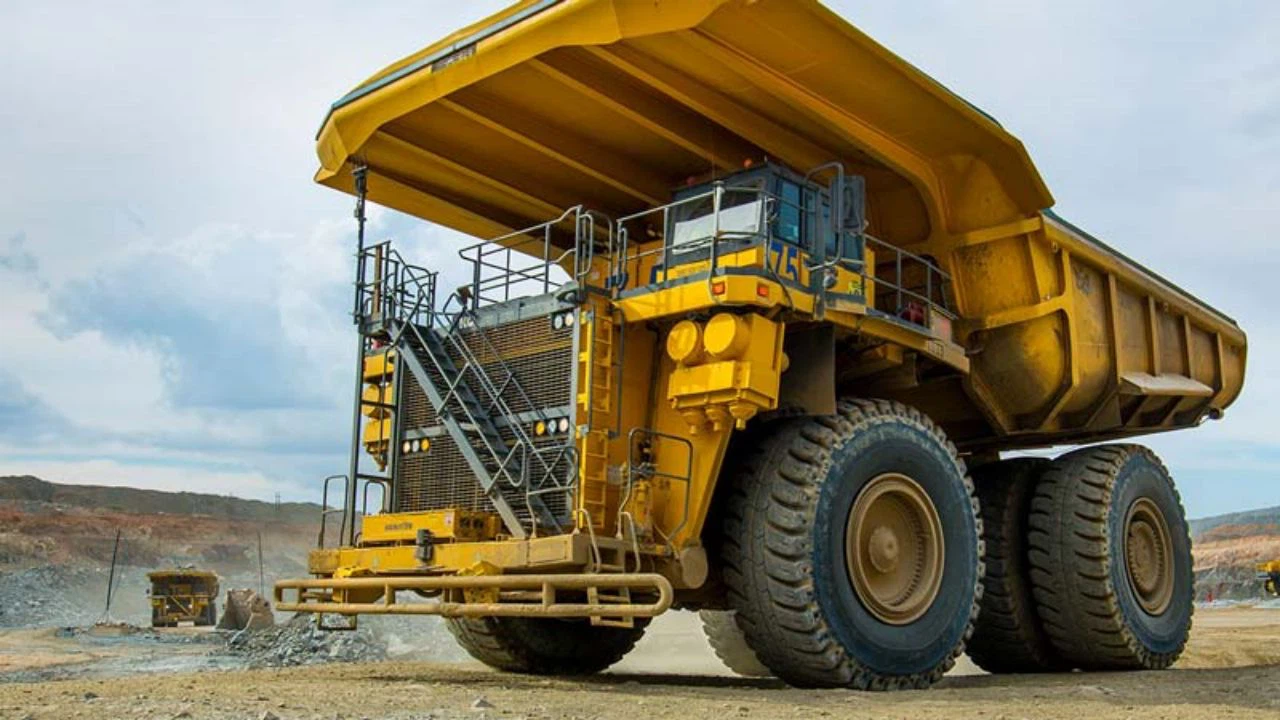
Dump trucks are among the most recognizable construction truck names you’ll encounter on any job site. These vehicles are designed to carry heavy loads of gravel, dirt, sand, and demolition debris.
- Dump Truck
- Articulated Dump Truck (ADT)
- Tri-Axle Dump Truck
- Single-Axle Dump Truck
- Side Dump Truck
- End Dump Truck
- Pup Trailer
- Tandem Dump Truck
- Tipper Truck
- Transfer Truck
- Belly Dump Trailer
- Pneumatic Tanker
- Haul Truck
- Rock Truck
- Debris Truck
Excavation and Digging Equipment
Excavators and digging machines are essential for foundation work, trenching, and material removal. These machines come in various sizes to handle different project scales.
- Excavator
- Mini Excavator
- Compact Excavator
- Long Reach Excavator
- Dragline Excavator
- Backhoe
- Backhoe Loader
- Bucket Excavator
- Thumbed Excavator
- Wheel Excavator
- Dredge
- Cable Shovel
- Clamshell Excavator
- Hydraulic Shovel
- Power Shovel
Dozers and Grading Equipment
Bulldozers and graders are crucial for site preparation, land clearing, and finishing work. These heavy machines can move massive amounts of earth efficiently.
- Bulldozer
- Dozer
- Track Dozer
- Wheel Dozer
- Crawler Dozer
- Motor Grader
- Grader
- Blade
- Articulated Grader
- Rigid Grader
- Road Grader
- Leveler
- Finish Grader
- Drag Box
- Land Plane
Loaders and Material Handlers
Loaders are versatile machines used for scooping, carrying, and dumping materials. They’re available in wheel and track configurations to suit various terrain conditions.
- Wheel Loader
- Track Loader
- Skid Steer Loader
- Compact Track Loader (CTL)
- Multi-Terrain Loader (MTL)
- Telehandler
- Boom Lift
- Telescopic Handler
- Material Handler
- Front End Loader
- Scoop Loader
- Pallet Loader
- Bucket Loader
- Articulated Loader
- Compact Loader
Compaction and Finishing Machines
Compactors and rolling equipment are vital for paving, surfacing, and soil compaction work. These machines ensure proper density and smooth finishes on various materials.
- Vibratory Roller
- Asphalt Roller
- Pneumatic Roller
- Road Roller
- Soil Compactor
- Plate Compactor
- Vibratory Plate
- Rammer
- Jumping Jack Compactor
- Drum Roller
- Smooth Drum Roller
- Padfoot Roller
- Sheep’s Foot Roller
- Tamper
- Static Roller
Concrete and Paving Equipment
Concrete trucks and paving machines handle the specialized work of pouring and finishing concrete surfaces. These trucks are engineered for precise material delivery and placement.
- Concrete Truck
- Concrete Mixer Truck
- Ready Mix Truck
- Cement Mixer
- Transit Mixer
- Boom Truck
- Concrete Pump Truck
- Paver
- Asphalt Paver
- Concrete Spreader
- Slipform Paver
- Screed
- Laser Screed
- Concrete Finishing Machine
- Trowel Machine
Crushing and Screening Equipment
Crushing and screening machines process aggregate materials for reuse and proper sizing. These specialized machines are critical for recycling and material preparation on construction sites.
- Jaw Crusher
- Cone Crusher
- Impact Crusher
- Gyratory Crusher
- Mobile Crusher
- Portable Crusher
- Primary Crusher
- Secondary Crusher
- Tertiary Crusher
- Vibrating Screen
- Shaker Screen
- Scalper
- Screener
- Grizzly Screen
- Trommel Screen
Specialized Heavy Equipment
Beyond standard construction vehicles, specialized equipment serves unique purposes on job sites.
- Pile Driver
- Vibratory Pile Driver
- Hydraulic Hammer
- Breaker
- Pneumatic Breaker
- Rock Breaker
- Jackhammer
- Trencher
- Chain Trencher
- Wheel Trencher
- Boring Machine
- Directional Drill
- Horizontal Boring Machine
- Auger Drill
- Drilling Rig
Major Construction Trucks Names by Manufacturer Brand
Top Equipment Manufacturers
Major construction equipment brands are often synonymous with specific machine types. Recognizing these brand names helps identify equipment quality and reliability on job sites.
- Caterpillar (CAT)
- Komatsu
- Volvo
- Hitachi
- JCB
- Bobcat
- Case Construction
- Deutz-Fahr
- Sany
- Liebherr
- Doosan
- Kobelco
- XCMG
- Sandvik
- Wirtgen
- Vredo
- Terex
- Metso
- Grundy
- Broderson
How to Choose the Right Construction Trucks Names for Your Project
Selecting the right equipment involves understanding project requirements, site conditions, and budget constraints. Here are practical considerations when evaluating construction machinery:
- Assess Your Material Volume: Calculate the total quantity of soil, concrete, or aggregate you need to move, then choose truck capacity accordingly. Larger projects justify bigger equipment investment.
- Evaluate Job Site Terrain: Soft ground requires tracked equipment, while stable surfaces support wheel-based machines. Site accessibility determines whether compact or full-size machinery works best.
- Consider Operating Costs: Factor fuel consumption, maintenance, and operator expenses into your selection. Rental versus purchase decisions depend on project duration and frequency of use.
- Match Equipment to Task Specifics: Different jobs require specialized machines—trenching needs different equipment than concrete finishing. Ensure the construction trucks names you’re considering match your specific work requirements.
- Check Safety and Operator Training: Complex equipment requires certified operators and safety protocols. Budget for proper training and insurance when selecting specialized machinery.
- Plan for Maintenance and Support: Choose brands with available parts, service centers, and technical support in your region. Equipment downtime costs money, so reliability matters significantly.
For more on heavy equipment classifications and industry standards, see OSHA Construction Standards.
Understanding Equipment Classification and Specifications
Professional construction sites use standardized terminology and classification systems for equipment. This common language ensures clear communication between contractors, equipment rental companies, and equipment operators working across different projects and regions throughout the construction industry.
Learning proper construction trucks names improves job site safety and efficiency. When everyone uses correct terminology, communication becomes clearer and mistakes are reduced. Equipment operators, site supervisors, and project managers all benefit from understanding standardized names and classifications for the machinery they work with daily.
Read about Funny Names Like Ben Dover: 180+ Hilarious & Clever Name Ideas.
Frequently Asked Questions
What’s the difference between an excavator and a backhoe?
Excavators are larger, dedicated digging machines with a rotating turret, while backhoes are smaller, multi-purpose machines that combine a loader bucket in front with a digging attachment in back.
Why are construction trucks names important?
Standardized equipment names ensure clear communication on job sites, help contractors order the correct machinery, and facilitate safety training and compliance across the construction industry.
How do I choose between a wheel loader and track loader?
Wheel loaders work better on hard, stable surfaces and move faster, while track loaders perform better on soft, muddy, or unstable terrain with better traction and lower ground pressure.
What’s a skid steer loader used for?
Skid steer loaders are compact, versatile machines ideal for confined spaces, landscaping, demolition work, and various attachments like buckets, grapples, and hammers that increase their functionality.
Understanding construction trucks names and equipment types is essential for anyone involved in building projects. Whether you’re managing a construction team, renting equipment, or simply curious about heavy machinery, this guide provides the foundation you need to speak confidently about construction equipment. With proper equipment knowledge and clear communication, construction projects run more smoothly and safely from start to finish.