Medieval Names Female: 150+ Authentic Historical Names for Your Characters
Choosing the right name for a medieval female character can transform your story, game, or historical fiction project. Whether you’re writing fantasy, designing a tabletop RPG campaign, or researching historical authenticity, medieval names female offers a rich palette of genuine options drawn from actual historical records and regional traditions. Medieval Europe saw remarkable diversity in naming conventions across different kingdoms, social classes, and time periods—from the nobility’s Latin-influenced names to the common folk’s Germanic and Celtic choices. Understanding these names helps you craft characters that feel historically grounded and culturally authentic.
Medieval Names Female: A Historical Overview
Medieval female names weren’t chosen at random; they reflected family heritage, religious devotion, regional customs, and social status. Names often honored saints, family ancestors, or noble houses, making them a fascinating window into medieval culture.
The period roughly spanning from the 5th to the 15th centuries produced naming conventions that varied dramatically by region. Norman names differed from Saxon choices, and Italian naming traditions contrasted sharply with Scandinavian preferences.
Norman and Anglo-Norman Influences
- Eleanor
- Matilda
- Adeliza
- Constance
- Beatrice
- Emma
- Isabel
- Juliana
- Margery
- Amicia
- Rohese
- Cristina
- Albreda
- Bertrada
- Gunnora
- Mabel
- Petronilla
- Sybilla
Germanic and Saxon Heritage
- Hilda
- Edith
- Æthelred
- Godiva
- Rowena
- Freydís
- Gisla
- Brunhilde
- Sieglinde
- Walburga
- Gertrude
- Ermengard
- Mathilde
- Amalasunta
- Gerdrud
- Hildegard
- Ottilie
- Winifred
Celtic and Irish Names
- Gwyneth
- Isolde
- Branwen
- Morwenna
- Iseult
- Grania
- Aoife
- Caoimhe
- Siobhan
- Oonagh
- Deirdre
- Maeve
- Orlaith
- Muirne
- Róisín
- Brigid
- Aisling
- Saoirse
Italian and Romance Language Origins
- Caterina
- Lucrezia
- Bianca
- Francesca
- Alessandra
- Rosalba
- Giuliana
- Vittoria
- Livia
- Magdalena
- Paolina
- Serafina
- Theodora
- Felicia
- Antonia
- Portia
- Agostina
- Lorenza
French Medieval Traditions
- Jeanne
- Blanche
- Marguerite
- Yvonne
- Danielle
- Lisette
- Vivienne
- Colette
- Paulette
- Annick
- Giselle
- Juliette
- Grégoie
- Seraphine
- Yvette
- Nicolette
- Antoinette
- Josephine
Scandinavian and Norse Choices
- Ingrid
- Solveig
- Sigrid
- Astrid
- Hrefna
- Gro
- Rannveig
- Signy
- Gudrid
- Yrsa
- Torrun
- Thoflhild
- Kristin
- Kari
- Vigdís
- Leif (female variant)
- Alfhild
- Steinunn
Saint-Inspired and Religious Names
- Agnes
- Catherine
- Margaret
- Cecilia
- Dorothy
- Felicity
- Helena
- Paula
- Ursula
- Veronica
- Constancia
- Agatha
- Christabel
- Prudence
- Leocadia
- Candida
- Eunice
- Serena
Nobility and Royal House Names
- Victoria
- Henrietta
- Josephine
- Arabella
- Arabelle
- Imogen
- Violetta
- Prudentiana
- Ludovica
- Leonarda
- Estrid
- Cordelia
- Marguerite
- Philippa
- Beatrix
- Clarice
- Dulcinea
- Griselda
How to Choose a Great Medieval Female Name
- Research your character’s origin: A Welsh noblewoman wouldn’t typically have a Scandinavian name, so match the name to the character’s regional background for authenticity.
- Consider the time period: Earlier medieval periods used different naming patterns than the High or Late Middle Ages; narrowing your era helps avoid anachronisms.
- Think about social class: Peasants rarely bore Latin saint names, while nobility frequently did; name choices reflect historical social structure.
- Check pronunciation guides: Many medieval names have spelling variations; understanding how they were actually pronounced helps you write dialogue and world-building convincingly.
- Avoid overused modern favorites: While Elizabeth was used, popularized modern versions often feel less period-authentic than their medieval forms (Elisabeth, Elizabetta).
- Use name meanings for character depth: A character named Brigid (meaning ‘exalted one’) might carry herself differently than one named Siobhan (‘God’s grace’), adding subtle characterization.
If you’re building a fantasy world inspired by medieval settings, you might also explore fantasy town names to complete your cultural immersion, or check out DnD human names for gaming contexts where medieval naming conventions apply.
For deeper historical context on medieval naming practices, see Wikipedia’s Medieval European Names.
Frequently Asked Questions
Were medieval women allowed to choose their own names?
No; names were typically assigned by parents at birth or baptism, often honoring saints or family members. Women from noble families sometimes received names that reinforced dynastic alliances or heritage.
Did medieval women use surnames?
Surnames were less standardized for women and often changed upon marriage; women were frequently identified by their father’s or husband’s name (e.g., ‘Eleanor of Aquitaine’). Common women might be known only by a single name plus a descriptor.
What’s the difference between Anglo-Saxon and Norman medieval names?
Anglo-Saxon names often used Germanic roots (like Godiva, Æthelred), while Norman names were influenced by French and Latin traditions (Eleanor, Matilda). The Norman Conquest of 1066 gradually blended these traditions.
Are all medieval names from Europe?
The most recognized medieval names come from Western Europe, but medieval societies included Byzantine, Islamic, and Eastern European cultures with distinct naming traditions. This article focuses on Western European conventions.
Conclusion
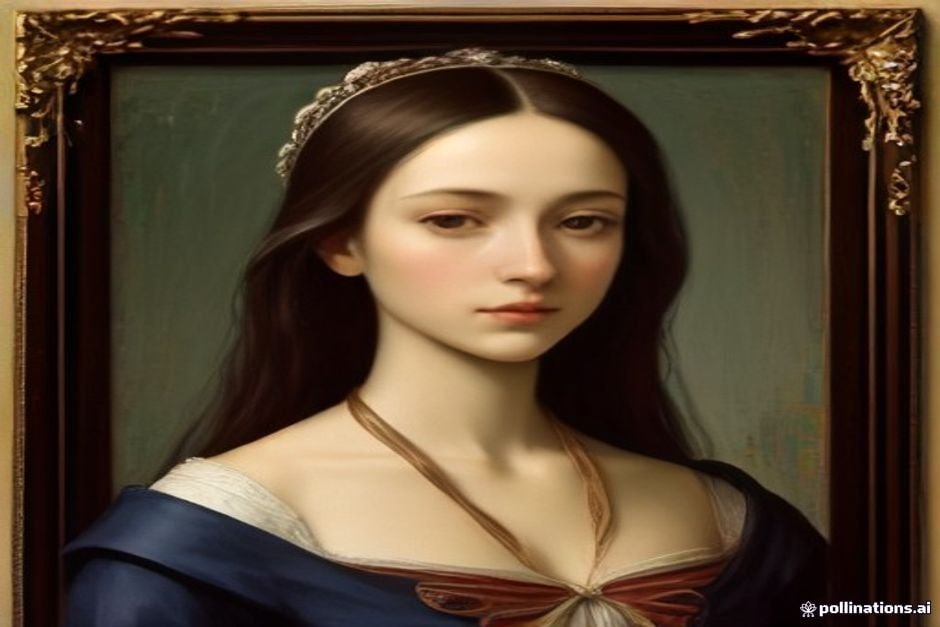
Medieval names female characters provide rich historical flavor and authentic cultural grounding for your creative projects. Whether you’re crafting fantasy fiction, designing tabletop characters, or simply fascinated by history, choosing from these genuine medieval options ensures your characters feel genuinely rooted in their time and place. Pick a name that resonates with your character’s story, and let the historical weight of centuries add depth to your world.