Shadar-Kai Names: 150+ Dark Elf Character Names for D&D and Fantasy Worlds
Creating a compelling shadar-kai character begins with choosing the perfect name that captures their mysterious, shadow-touched nature. Shadar-kai names reflect their connection to the Shadowfell, their elven heritage, and their haunting beauty. Whether you’re building a D&D character, writing fantasy fiction, or developing a tabletop game campaign, selecting the right names can bring authenticity and atmosphere to your dark elf character.
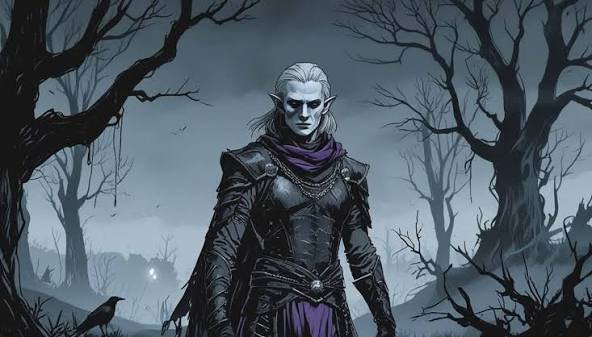
The shadar-kai are a fascinating D&D race elves touched by shadow magic who have made their home in the mysterious Shadowfell dimension. Their names typically carry a darker, more melodic quality than standard elven names, often incorporating sounds that evoke darkness, twilight, and otherworldly mystery.
Understanding Shadar-Kai Naming Conventions
Shadar-kai naming traditions blend ancient elven language roots with shadow-touched variations that sound distinctly otherworldly. Most shadar-kai names feature lyrical, flowing syllables interrupted by harder consonants that give them an edgy, mysterious quality.
Unlike their surface-dwelling elf cousins, shadar-kai incorporate references to shadow, twilight, void, and darkness into their personal and family names. This creates a thematic consistency that immediately signals their unique place in fantasy worlds.
Male Shadar-Kai Names
- Vex’athor
- Malachar
- Sithak
- Nocturus
- Kaelstrom
- Vaylen
- Thymer
- Sable
- Morpheus
- Duskveil
- Aerendil
- Zareth
- Cymbal
- Indrath
- Shadowmere
- Vexion
- Kolthar
- Miraen
- Silas
- Vorn
- Thexus
- Eladrin
- Darkthane
- Ravelin
- Synth
- Malchar
- Vorath
- Neverthorn
- Ashveil
- Cimmeria
Female Shadar-Kai Names
- Seraphelle
- Nyx
- Morrigan
- Vespera
- Lilithae
- Evanthe
- Sylvaine
- Nashandra
- Veiled
- Kaelith
- Morwenna
- Thyra
- Ashenna
- Nightwhisper
- Shadine
- Umbrielle
- Velatrice
- Caerith
- Solemnity
- Nyvain
- Ravenelle
- Taelynn
- Valeska
- Morticia
- Sirith
- Elowen
- Duskraven
- Shadowvein
- Lysandra
- Vorlaine
Unisex and Clan
- Shadowborne
- Veilwalker
- Duskborn
- Nightward
- Voidtouched
- Silverthorn
- Darkmantle
- Twilightborn
- Ashenwraith
- Nevermore
- Phantomkin
- Ebonheart
- Shadowstep
- Veilcaster
- Nocturnial
- Ravenborn
- Shadowmeld
- Veildancer
- Nightborn
- Darkwood
Names with Dark or Shadow Themes
- Umbragen
- Shadownight
- Vexthrall
- Darkhaven
- Veilshadow
- Nocturnis
- Shadowthorn
- Voidmender
- Blackmere
- Nightveil
- Shadowpact
- Duskheart
- Veiledheart
- Mournwhisper
- Darkwhisper
- Shadowvow
- Veilstrike
- Nightreaver
- Shadowmask
- Ebonveil
- Darkwhisper
- Shadowmourne
- Veilpact
- Nocturnight
- Darkmantle
Mystical and Ethereal Shadar-Kai
- Etherealis
- Celestria
- Phantom
- Spectral
- Luminox
- Archmire
- Silverspire
- Starfallen
- Moonshroud
- Ethereen
- Voidwhisper
- Mystralor
- Spiritborn
- Astravin
- Ethereyne
- Whisperwind
- Starlight
- Veilwhisper
- Mystyre
- Etherington
- Luminaire
- Starfane
- Spiritwhisper
- Mystvalor
- Aethermorn
Powerful Shadar-Kai Epithets and Titles
- Shadowslayer
- Veilbreaker
- Nightbringer
- Shadowcaller
- Duskwalker
- Shadowweaver
- Veilseeker
- Darkbane
- Nightwhisperer
- Shadowmaster
- Veilrender
- Duskbringer
- Shadowstalker
- Veilmender
- Nightseeker
- Shadowbender
- Veiltender
- Duskrender
- Shadowsmith
- Veilshaper
Ancient and Noble Names
- Vor’athis
- Malachor
- Silenthorn
- Valorian
- Netherian
- Eladros
- Vorn’athar
- Mystravin
- Nethvael
- Solemnark
- Vexathor
- Aelindor
- Nethylon
- Valoreth
- Mystheron
- Netharis
- Valoron
- Aelventhir
- Netharian
- Vexarion
- Aelvinor
- Nethilon
- Valorath
- Mysthalon
- Nethormere
Shadar-Kai Naming Tips for D&D and Fantasy Writing
- Embrace darker vowel sounds like ‘a’ and ‘o’ mixed with ethereal sounds like ‘ae’ and ‘th’ to create authentic shadar kai names.
- Combine shadow-related prefixes (Veil-, Shadow-, Dark-, Night-) with meaningful suffixes (-born, -walker, -weaver, -mane) for thematic consistency.
- Consider your character’s background and personality—a shadar-kai paladin might carry a noble ancient name, while a rogue could have a more mysterious epithet-based name.
- Use names that reflect your character’s relationship to the Shadowfell; those deeply connected to shadow magic might have more overtly dark names.
- Avoid simply adding ‘x’ or ‘z’ to standard names; instead, focus on the lyrical, flowing quality that defines shadar-kai identity.
- Research D&D lore about specific shadar-kai clans or settlements if your world has developed them, and adapt naming patterns accordingly.
- Pronounce your chosen name aloud to ensure it feels natural and memorable in conversation during gameplay.
For more on D&D character creation and fantasy naming conventions, explore Gnome Names D&D resources and Duergar Names guides to expand your fantasy naming expertise.
For more on Shadowfell lore and shadar-kai culture, see Wikipedia’s Shadowfell entry.
Frequently Asked Questions
What makes shadar-kai names different from regular elf names?
Shadar-kai names incorporate shadow, twilight, and void-themed elements that reflect their Shadowfell origin, whereas regular elf names tend to emphasize nature and celestial themes.
Can I use these names for characters in other fantasy systems besides D&D?
Absolutely! These names work wonderfully in any fantasy setting featuring dark elves, shadow-touched races, or characters with otherworldly, mysterious aesthetics.
How do I pronounce shadar-kai names correctly?
Most shadar-kai names follow flowing elven phonetics with emphasis on lyrical syllables; pronounce them with smooth transitions and slightly longer vowels to capture their ethereal quality.
Should female shadar-kai names end in ‘a’ or ‘e’?
While many do, it’s not a requirement—shadar-kai naming conventions are flexible enough to accommodate various endings based on your character’s personality and background story.
Whether you’re rolling up a new character for your next D&D session or crafting a dark elf protagonist for your fantasy novel, choosing the right shadar-kai name from this collection ensures your character carries authentic mystique and thematic depth.