Fantasy Town Names: 150+ Creative Ideas for Dungeons & Dragons, Game Worlds & Fiction
When crafting a memorable fantasy world, choosing the right fantasy town names is essential to creating an immersive setting that captures readers’ and players’ imaginations. Whether you’re building a campaign for Dungeons & Dragons, designing a video game, or writing a fantasy novel, the names of your settlements shape how audiences perceive your world. A well-chosen town name can instantly convey atmosphere, history, and culture without a single description.
Good town names follow patterns that feel authentic to their fictional world. They often combine descriptive words, geographical features, founder names, or historical events to create a sense of depth.
Medieval Fantasy Settings
Medieval fantasy worlds typically feature towns with names rooted in Old English, Celtic, or Norse influences. These names often reference castles, forests, rivers, or legendary figures from the settlement’s past.
- Thornhaven
- Ravensbridge
- Ashford
- Silverpine
- Stonekeep
- Blackwater
- Goldleaf
- Ironwood
- Winterhollow
- Brightmoor
- Shadowpeak
- Deepcrest
- Eastwick
- Frostmere
- Greystone
- Halstead
- Kingsbend
- Larchmont
- Morningfield
- Northham
- Oakhurst
- Pearlbrook
- Queensbury
- Redmoor
- Sableholm
Dark & Mysterious
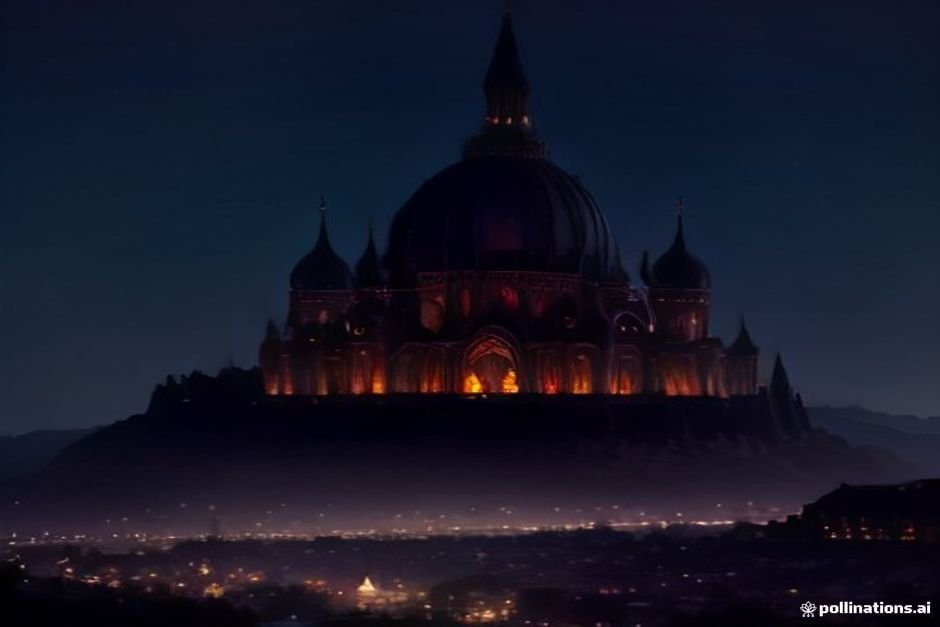
For campaigns with a sinister atmosphere, choose fantasy town names that evoke mystery, danger, or ancient secrets. These names work well for villain strongholds, cursed settlements, or places of dark magic.
- Shadowfen
- Bonecrest
- Doomhaven
- Nightfall
- Cursemark
- Veilholm
- Blackthorn
- Wraithgarden
- Gloomwick
- Runeshadow
- Thornwick
- Grimspire
- Darkwater
- Phantomhall
- Spectral Crossing
- Ashenmoor
- Eboncrest
- Hollowvale
- Raven’s Rest
- Sorrow’s End
- Tombstone Heights
- Withered Peak
- Desolation Point
- Mournstead
- Darkmere
Coastal & Harbor
Seaside settlements require fantasy town names that reflect maritime culture, fishing traditions, and trade routes. These names often include nautical references and geographical features.
- Tidehaven
- Seastrand
- Harborpoint
- Saltmere
- Waverest
- Pearlyshore
- Dragonbay
- Anchorsend
- Windwharf
- Merfolkport
- Shorewick
- Gullhaven
- Coralcrest
- Beacon Bay
- Fisherman’s Rest
- Helm’s Harbor
- Lighthouse Peak
- Marina Deep
- Neptune’s Call
- Oarsworth
- Port Azure
- Seawatcher’s Rest
- Thalassian Vale
- Voyage’s End
- Whitecrest Point
Magical & Enchanted
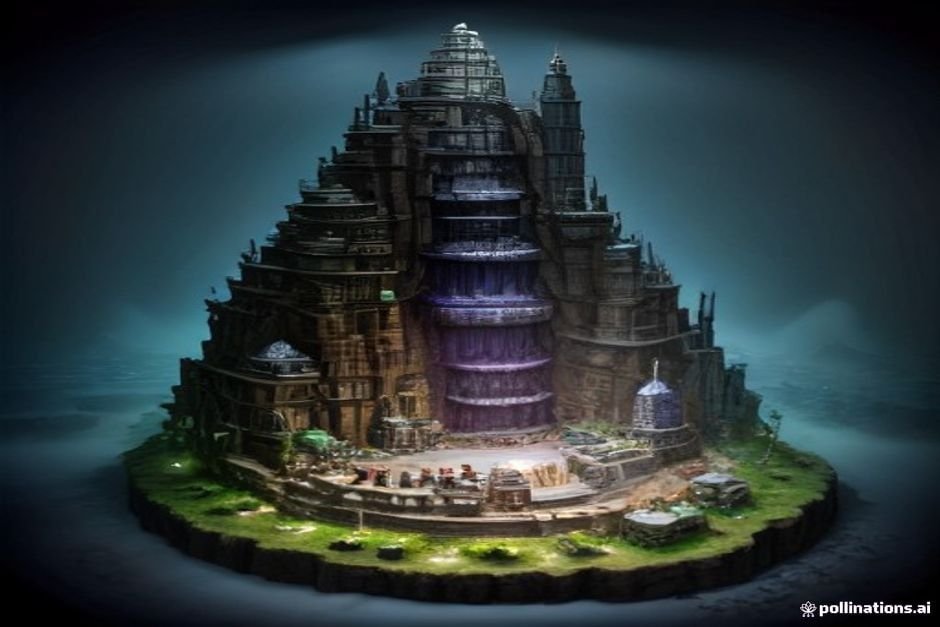
For towns filled with magic, mystical creatures, and wonder, choose fantasy town names that sound ethereal and otherworldly. These names often use flowing vowels and mythical references.
- Starlight Haven
- Moonwhisper Vale
- Crystalmere
- Enchantwood
- Spellbound Green
- Luminara
- Faeriedale
- Glitterspire
- Arcane Hollow
- Mysticrest
- Aurora Springs
- Elysian Fields
- Spirithollow
- Dreamweaver’s Mill
- Starfire Grove
- Silverwind
- Harmonicliff
- Iridescent Peak
- Jewelbrook
- Kindlelight
- Lumina Gardens
- Moonstone Falls
- Opalescence Point
- Prismatic Valley
- Quantum Springs
Mountain & Highland
Alpine settlements and mountain kingdoms need fantasy town names that suggest elevation, strength, and isolation. These towns often feature dwarf populations or mountain-dwelling cultures in fantasy settings.
- Peakstone
- Cliffholm
- Highpine
- Stoneridge
- Avalanche Pass
- Craghollow
- Skyreach
- Mountainwatch
- Ironpeak
- Frostbield
- Granite Haven
- Helm’s Peak
- Jagged Crown
- Keelstone
- Lofty Spire
- Mount Valor
- Northridge
- Overlook
- Peak’s Blessing
- Quarryford
- Rimefang
- Snowcap
- Stormcrest
- Talus Hold
- Underpeak
Forest & Woodland
Elven settlements and forest communities require fantasy town names rooted in nature, ancient trees, and natural magic. These towns often have elegant or flowing qualities.
- Silverwood
- Oakenshade
- Thornwood
- Mosshollow
- Greenleaf
- Pinegrove
- Willowmere
- Eldermark
- Ashenbark
- Birchvale
- Canopy Rest
- Driftwood
- Evergreen Vale
- Fernstep
- Goldenwood
- Heartwood Hall
- Ivythorn
- Juniper’s Nest
- Kindred Grove
- Leafwhisper
- Moonwood
- Natureheart
- Oakenbough
- Pathwood
- Quietwood
Desert & Arid
Towns built in harsh desert environments need fantasy town names that reflect the landscape, heat, and resilience of their inhabitants. These names often convey survival and ancient history.
- Sandmark
- Oasishaven
- Dunes Rest
- Mirage Point
- Sunstone
- Scorched Gate
- Dusthaven
- Mirrormere
- Stonecross
- Sunward
- Aridholm
- Blazewick
- Caravanhalt
- Driftway
- Eternalsand
- Flamewood
- Golden Reach
- Heatstone
- Infinitewaste
- Jasperhold
- Khara (ancient sands)
- Lost Ravine
- Mirage Haven
- Nomad’s Pass
- Oasis Gate
Underground & Subterranean
Dwarf halls, underdark cities, and cavern settlements require fantasy town names that sound ancient, solid, and otherworldly. These towns often feature mining culture and deep-earth imagery.
- Deepdelve
- Ironforge
- Stonehall
- Caverhome
- Gemheart
- Undercrest
- Mithril Hold
- Goldmine
- Echochamber
- Rune Vault
- Basaltholm
- Chasm Gate
- Deepwatch
- Eternal Halls
- Forge of Stars
- Grand Cavern
- Hollow Stone
- Inferior Realm
- Jade Depths
- Kingdom Below
- Luminous Caves
- Miners’ Haven
- Netherstone
- Ore Gate
- Pit Guard
Fantasy Town Naming Tips
Creating authentic fantasy town names takes practice and attention to the world’s history. Here are key strategies for picking fitting names:
- Match the geography: Coastal towns should sound nautical, mountains should evoke stone and height, forests should feel natural and flowing.
- Consider the culture: Elven towns may use flowing vowels and nature words, while dwarf settlements prefer strong consonants and earth references.
- Build on descriptive elements: Combine features like water (brook, mere, spring), landscape (vale, ford, ridge), or materials (stone, wood, iron).
- Use prefixes and suffixes: Words like -hold, -haven, -ford, -wood, -wick, and -mere instantly make names feel authentic.
- Avoid overcomplication: The best fantasy town names are pronounceable and memorable, not overly long or difficult.
- Check consistency: Ensure all town names in your world follow similar phonetic patterns and linguistic roots for immersion.
- Draw historical inspiration: Real-world place names from various cultures can inspire authentic-sounding fantasy settlements.
For additional worldbuilding inspiration on creating fictional characters and settings, explore Female Character Names: 200+ Inspiring Ideas for Fiction, Games, and Stories and Goliath Names: 180+ Powerful, Bold, and Mighty Character Names for Your Stories to develop the inhabitants and rulers of your fantasy towns.
For more on fantasy worldbuilding and naming conventions, see Wikipedia’s Toponymy article.
Frequently Asked Questions
What makes a good fantasy town name?
A strong fantasy town name is pronounceable, memorable, and reflects the town’s geography, culture, and history. It should feel authentic to your world’s linguistic style and evoke the right atmosphere.
Can I use these fantasy town names in my published work?
Yes! These original names are free to use in your fiction, games, campaigns, and creative projects without restriction.
How do I customize fantasy town names for my specific setting?
Combine elements from multiple names, adjust prefixes and suffixes, or blend naming conventions from different cultures to create unique variations that fit your world’s unique linguistic character.
What’s the difference between naming a town versus naming a character?
Town names focus on geography and history, while character names emphasize personality and cultural background—though both benefit from matching your world’s overall naming style.