Wood Fence Styles Names: A Complete Guide to Popular Fence Types
If you’re planning a fencing project for your property, understanding the different wood fence styles names available is essential. Each fence style offers unique aesthetic appeal, functionality, and maintenance requirements. This guide breaks down the most popular wood fence styles so you can choose the perfect design for your home or business.
Popular Wood Fence Styles Names and Designs
Wood fencing remains one of the most versatile and attractive fencing options for residential and commercial properties. The style you choose dramatically impacts your curb appeal, privacy level, and overall property value.
Picket Fencing
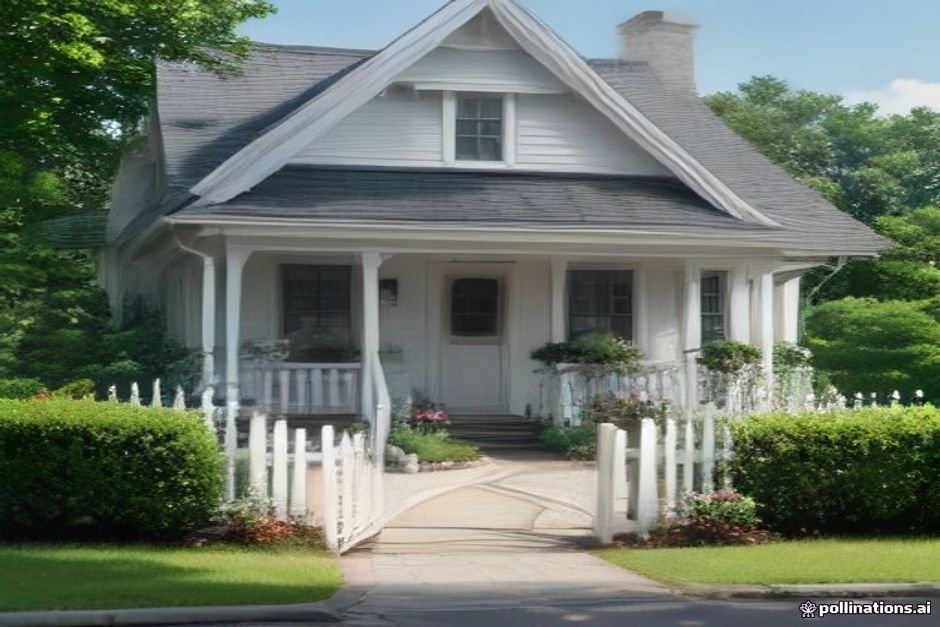
Picket fences are the classic American choice, featuring evenly spaced vertical boards (pickets) with pointed or rounded tops. This traditional style is perfect for front yards and adds a charming, welcoming aesthetic to any property.
Picket fences typically range from 3 to 4 feet tall and allow visibility through the gaps, making them ideal for defining property lines without blocking views. The spacing between pickets can be adjusted based on your preference and local regulations.
Privacy Fencing
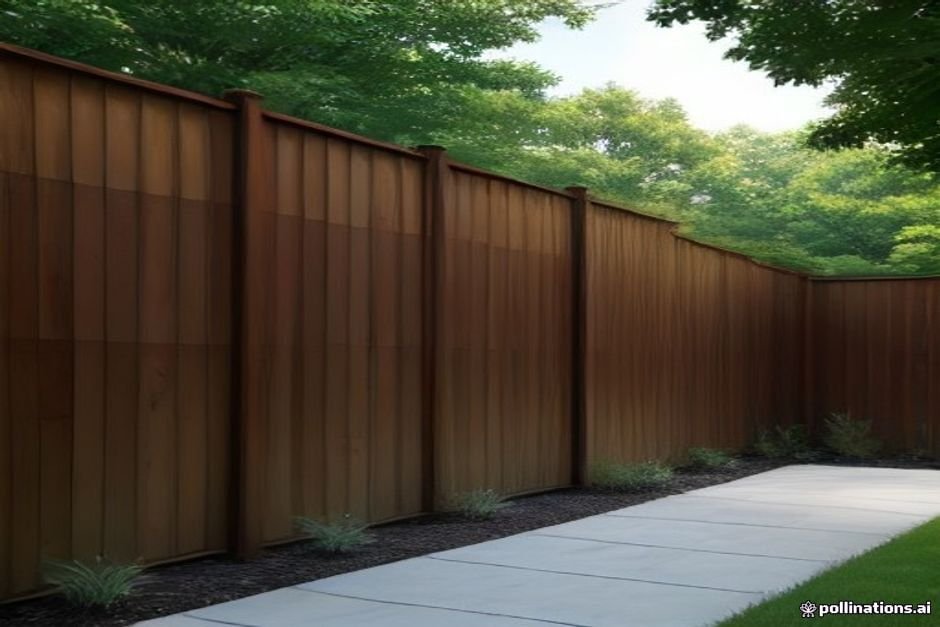
Privacy fences feature solid wooden boards with little to no gaps, providing complete concealment of your backyard. These fences typically stand 6 to 8 feet tall and are ideal for residential properties seeking maximum privacy and security.
This style is excellent for noise reduction and creates a secluded outdoor space. Privacy fences require more wood material and maintenance compared to picket styles.
Semi-Privacy Fencing
Semi-privacy fences combine elements of both picket and privacy styles, offering a balanced approach to visibility and concealment. Boards are either angled, alternated, or spaced strategically to allow some light and airflow while maintaining privacy.
This style is increasingly popular because it provides a modern aesthetic while offering reasonable privacy levels. It also reduces wind resistance compared to solid privacy fences.
Shadowbox Fencing
Shadowbox fencing features alternating boards on both sides of the rails, creating an attractive woven or layered appearance. This style allows air circulation while still providing substantial privacy.
The boards overlap slightly, creating interesting shadow patterns that shift throughout the day. This design is visually striking and works well for contemporary homes.
Board-and-Batten Fencing
Board-and-batten fencing combines wide vertical boards with thin strips (battens) that cover the joints between them. This creates a clean, modern look with excellent privacy protection.
The battens add visual interest and help prevent warping by concealing expansion gaps. This style is popular in both rustic and contemporary landscaping.
Lattice Fencing
Lattice fences feature criss-crossed wooden strips in a diagonal diamond or square pattern. This style provides decorative appeal while allowing visibility and airflow through the fence.
Lattice fences work beautifully for accent sections, trellising climbing vines, or creating a semi-transparent privacy screen. They’re commonly used on top of other fence sections for added height without blocking views entirely.
Split-Rail Fencing
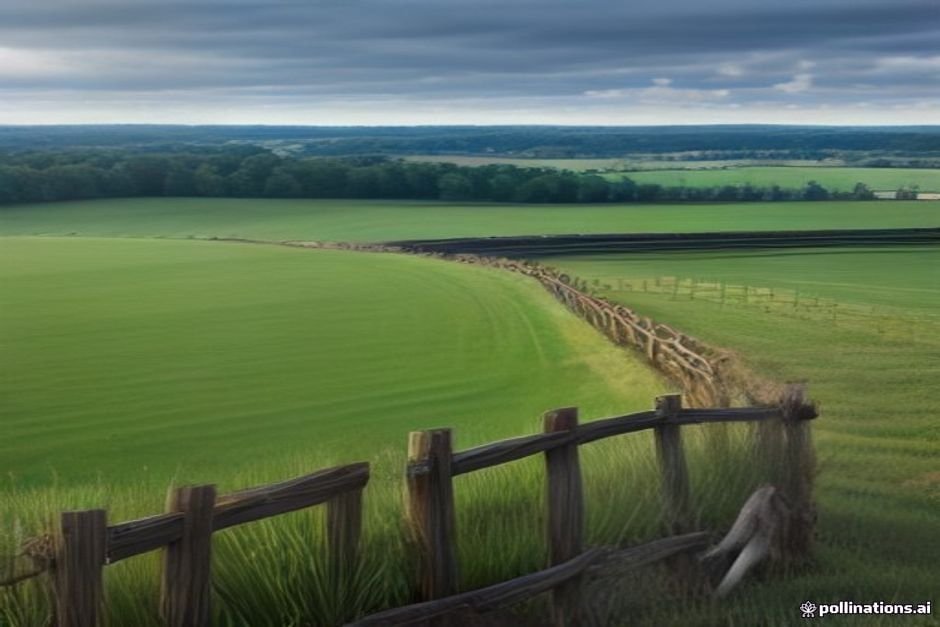
Split-rail fencing consists of wooden rails laid horizontally between vertical posts, with minimal filling between. This rustic style is classic and allows complete visibility while still defining property boundaries.
Split-rail fences are popular on rural properties, farms, and country estates. They’re relatively easy to install and require less wood material than other styles.
Post-and-Rail Fencing
Similar to split-rail fencing, post-and-rail uses vertical posts connected by horizontal rails. However, this style often includes additional cross-members and can be customized with infill materials like boards or wire mesh.
This versatile style works well for horse farms, ranches, and properties where you want visibility combined with structural definition. It’s durable and can last for decades with proper maintenance.
Tongue-and-Groove Fencing
Tongue-and-groove fencing features boards that fit together in a interlocking pattern, with one board’s tongue fitting into the adjacent board’s groove. This creates a smooth, seamless appearance with excellent privacy.
This style provides superior weatherproofing and a polished, high-end look. The tight fit makes it particularly suitable for areas with high wind or severe weather.
Horizontal Slat Fencing
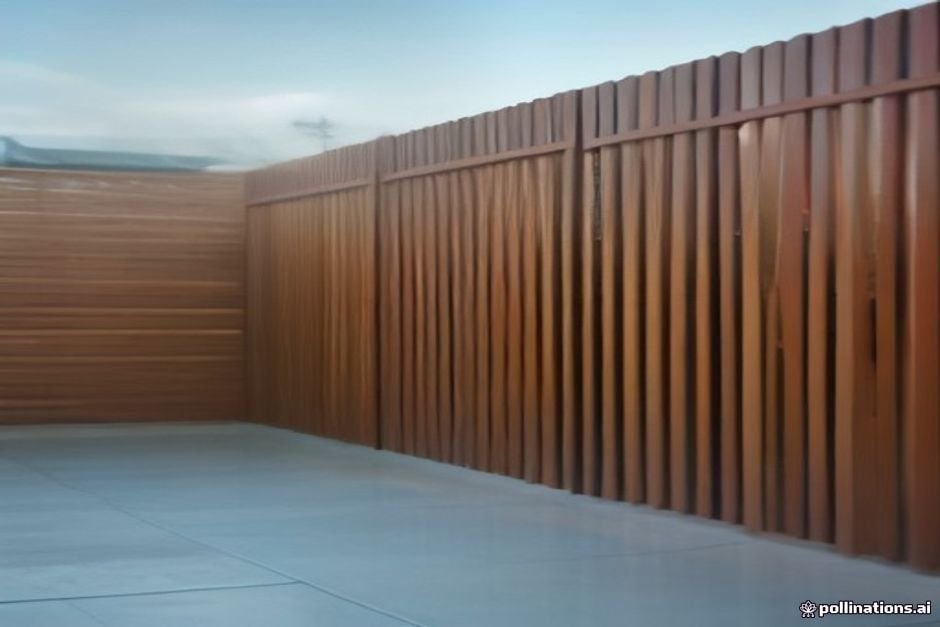
Horizontal slat fencing uses boards laid horizontally between vertical posts, creating a modern, contemporary appearance. This style is increasingly popular in modern landscape design.
Horizontal boards create clean lines and can make properties appear wider. This style offers privacy while maintaining a sleek, minimalist aesthetic.
Basket Weave Fencing
Basket weave fencing features boards that weave over and under horizontal rails in an alternating pattern. This creates an attractive woven appearance from both sides of the fence.
The basket weave pattern provides privacy while allowing some air circulation. This style requires careful installation but delivers impressive visual results.
Ornamental Wood Fencing
Ornamental wood fences incorporate decorative elements like carved posts, fancy spindles, or detailed rail designs. These custom designs add elegance and sophistication to any property.
Ornamental styles are often used for front yards, historic properties, or properties where aesthetic impact is a priority. Custom designs increase material and installation costs significantly.
Decorative Gate and Fence Combinations
Many properties feature mixed styles, such as privacy fencing with decorative gate entrances or picket fence sections with lattice accents. This approach allows homeowners to combine functionality with visual appeal.
Combining styles can enhance curb appeal while maintaining practical privacy and security in designated areas.
Stepped or Contoured Fencing
Stepped fencing is installed on sloped or uneven terrain, with the fence panels stepping up and down following the natural grade. Contoured fencing gently follows the slope for a smoother appearance.
Both options are essential for properties on hillsides. The choice depends on your aesthetic preference and the degree of slope on your land.
Rustic and Reclaimed Wood Fencing
Rustic fencing uses aged, weathered, or reclaimed wood materials to create an authentic, vintage aesthetic. This style appeals to homeowners seeking character and environmental sustainability.
Reclaimed wood fences tell a story and add warmth to properties. They may require additional maintenance to preserve their character while protecting the wood from further deterioration.
Key Factors When Choosing Your Fence Style
Property Zoning and Regulations: Check local building codes before selecting a fence style. Many municipalities have restrictions on height, setbacks, and materials.
Maintenance Requirements: Wood fences require regular staining, sealing, or painting every 2-3 years to prevent rot and weather damage. Some styles require more upkeep than others.
Budget Considerations: Solid privacy fences and decorative styles cost more than simple picket or split-rail designs. Installation costs vary based on terrain and complexity.
Climate Adaptability: In humid climates, opt for rot-resistant wood species like cedar or pressure-treated lumber. In areas with high winds, designs with good airflow like shadowbox work better.
Neighbor and Streetscape Harmony: Choose a style that complements your neighborhood’s character while meeting your functional needs.
Wood Types for Fence Construction
The wood species you choose affects durability, appearance, and cost. Common options include cedar (naturally rot-resistant), pressure-treated pine (affordable and durable), and redwood (attractive and long-lasting).
Higher-end options like composite materials blend wood fibers with plastic for extended lifespan and reduced maintenance, though they look and feel different than traditional solid wood.
Installation and Maintenance Tips
Proper installation ensures your fence lasts for years. Posts should be set in concrete below the frost line, and boards should be spaced slightly apart to allow for wood expansion and contraction.
Annual inspections for damage, rot, or pest issues can extend your fence’s lifespan significantly. Applying sealant or stain every 2-3 years protects the wood from UV damage and moisture infiltration.
For more on wood fence construction and design standards, see American Fence Association.
Also read Colombian Boy Names: 180+ Authentic, Meaningful Names Inspired by Colombian Culture.
Frequently Asked Questions
What is the most popular wood fence style?
Privacy fencing is the most popular choice for residential properties due to its security, privacy, and noise reduction benefits. Picket fencing remains iconic for front-yard applications.
How long do wood fences typically last?
With proper maintenance, quality wood fences last 15-20 years or longer. Cedar and pressure-treated lumber last longer than untreated pine.
Can I mix different wood fence styles on one property?
Yes, many homeowners use different styles for front and back yards, such as picket fencing in front and privacy fencing in back. Just ensure the styles complement each other visually.
What is the best wood for fence durability?
Cedar, redwood, and pressure-treated lumber are the most durable options. Pressure-treated wood is most affordable, while cedar and redwood offer better natural rot resistance.