
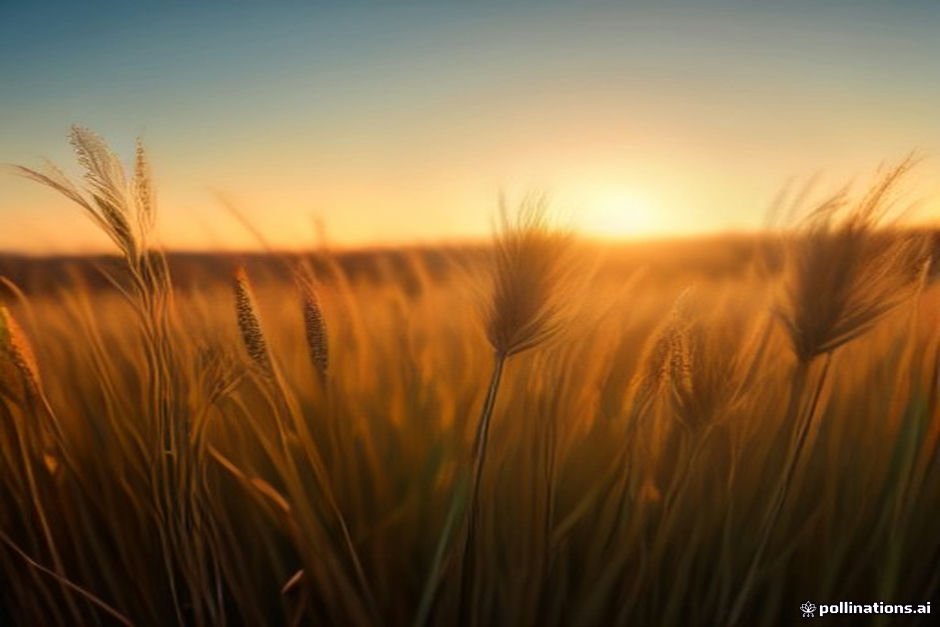
Grassland Plants Names: A Complete Guide to Common Savanna & Prairie Species
Grasslands cover approximately one-quarter of Earth’s land surface, supporting diverse ecosystems that depend on specific plant species adapted to these environments. Understanding grassland plants names is essential for ecologists, farmers, naturalists, and anyone interested in these vital habitats. This guide explores the most common and notable plants found in grasslands, prairies, savannas, and similar open landscapes across North America and beyond.
What Are Grassland Plants?
Grassland plants are vegetation adapted to thrive in open spaces with moderate to low rainfall, well-drained soils, and frequent disturbances like fire or grazing. These plants have developed unique characteristics to survive in environments where trees cannot easily establish.
The primary categories include native grasses, wildflowers, legumes, and shrubs, each playing a critical role in the ecosystem’s health and biodiversity.
Common Grassland Plants Names and Species
The following table outlines some of the most widespread and important grassland plants names with their scientific classifications and key characteristics:
| Common Name | Scientific Name | Habitat Type |
|---|---|---|
| Big Bluestem | Andropogon gerardii | Tallgrass Prairie |
| Little Bluestem | Schizachyrium scoparium | Mixed Grassland |
| Switchgrass | Panicum virgatum | Tallgrass Prairie |
| Purple Prairie Clover | Dalea purpurea | Prairie Wildflower |
| Black-eyed Susan | Rudbeckia hirta | Mixed Grassland |
| Blazing Star | Liatris spicata | Prairie Wildflower |
| Prairie Blazing Star | Liatris pycnostachya | Tallgrass Prairie |
| Sideoats Grama | Bouteloua curtipendula | Mixed Grassland |
Native Grasses in Grasslands
Native grasses form the foundation of grassland ecosystems, providing food, shelter, and soil stabilization. These species have evolved over thousands of years to thrive in their specific regions.
Tallgrass Species
- Big Bluestem — Can reach 6-8 feet tall; named for its distinctive three-pronged seed head resembling a turkey foot.
- Switchgrass — A warm-season grass that grows 3-6 feet tall and serves as a biofuel crop in addition to native value.
- Indian Grass — Known for its silky, copper-colored seed plumes that wave in the wind throughout fall and winter.
Mid-Grass Species
- Little Bluestem — A shorter species (2-3 feet) that turns deep red and purple in autumn, creating striking landscape color.
- Sideoats Grama — Named for flower spikes that hang to one side of the stem; highly drought-tolerant and nutritious for livestock.
- Prairie Dropseed — A delicate, fine-textured grass with a distinctive vanilla scent when it flowers.
Short Grass Species
- Blue Grama — Typically 12-18 inches tall; a key species in the shortgrass prairies of the western Great Plains.
- Buffalo Grass — An ultra-drought-tolerant species that can survive on minimal water and intense grazing.
- Needle-and-Thread — A fine grass with sharp, barbed seeds that stick to animal fur for dispersal.
Wildflowers and Legumes in Grasslands
Wildflowers add color and diversity to grassland ecosystems while providing nectar for pollinators. Many also fix nitrogen in the soil, enriching it naturally.
- Black-eyed Susan — Bright yellow flowers with dark centers; blooms mid to late summer and attracts butterflies and bees.
- Purple Prairie Clover — A nitrogen-fixing legume with distinctive cylindrical purple-pink flower heads.
- Blazing Star (Liatris) — Tall spikes of purple or pink flowers that bloom from bottom to top; highly attractive to pollinators.
- Wild Bergamot — Fragrant purple flowers; aromatic foliage has been used historically for tea and medicinal purposes.
- Coneflower (Echinacea) — Purple petals radiating from an orange-brown cone; used in traditional herbal remedies.
- Goldenrod — Golden-yellow flower clusters appearing in late summer; despite myths, it causes minimal allergies.
- Ironweed — Deep purple flowers in dense clusters; named for its extremely tough, woody stems.
- Showy Milkweed — Fragrant pink and purple flowers; essential host plant for monarch butterfly caterpillars.
Savanna and Arid Grassland Plants
Grasslands in drier regions and savannas support different species adapted to lower rainfall and higher temperatures. These plants often have deeper root systems and lower water requirements.
Arid Grassland Species
- Yucca — Tall plant with sword-like leaves and white bell-shaped flowers; highly drought-tolerant and found in southwestern grasslands.
- Snakeweed — A low, spreading shrub adapted to high desert grasslands with small yellow flowers.
- Rabbitbrush — A rounded shrub with yellow flowers appearing in fall; supports wildlife with seeds and cover.
- Desert Marigold — Low-growing perennial with small yellow flowers; extremely drought-tolerant and long-blooming.
- Fourwing Saltbush — A shrubby species with four-winged fruit; extremely tolerant of salty soils found in some arid regions.
Grassland Plants Names by Region
North American Prairie Plants
The tallgrass prairies of the Midwest are dominated by native species like big bluestem, switchgrass, and Indian grass. These regions receive moderate rainfall (20-40 inches annually) supporting tall, vigorous plant growth.
The shortgrass prairies of the Great Plains feature more drought-tolerant species like blue grama and buffalo grass, adapted to lower precipitation (10-20 inches annually).
Tallgrass Prairie Dominants
- Big Bluestem (Andropogon gerardii)
- Switchgrass (Panicum virgatum)
- Indian Grass (Sorghastrum nutans)
- Prairie Blazing Star (Liatris pycnostachya)
- Purple Prairie Clover (Dalea purpurea)
Great Plains Shortgrass Species
- Blue Grama (Bouteloua gracilis)
- Buffalo Grass (Bouteloua dactyloides)
- Needle-and-Thread (Hesperostipa comata)
- Desert Marigold (Hymenoxys acaulis)
- Snakeweed (Gutierrezia sarothrae)
Did You Know?
The tallgrass prairie of North America once covered approximately 170 million acres from Canada to Texas. Today, less than 1% of that original prairie remains, making grassland conservation efforts critical.
Many grassland plants have very deep root systems—some extending 12-15 feet underground. These roots help prevent erosion, store carbon, and access water unavailable to shallow-rooted plants.
Ecological Importance of Grassland Plants
Grassland plants provide numerous ecological services beyond their visual appeal. They stabilize soil, prevent erosion, sequester carbon, and support diverse wildlife populations including birds, insects, and mammals.
Native grassland plants are also drought-tolerant and require minimal maintenance, making them increasingly popular in sustainable landscaping and restoration projects. Many species create beautiful fall color displays and provide winter interest for wildlife.
For more information on grassland ecology and plant species, see USDA Natural Resources Conservation Service.
Frequently Asked Questions
What defines a grassland ecosystem?
A grassland is an open landscape dominated by grasses and wildflowers with minimal tree cover, typically found in regions with moderate to low rainfall and frequent disturbances like fire or grazing.
Why are native grassland plants important for conservation?
Native grassland plants have evolved to thrive in specific regions, support local wildlife, prevent soil erosion, and require less water and maintenance than non-native species, making them essential for ecological restoration.
Can grassland plants be used in home gardens?
Yes, many native grassland plants make excellent additions to prairie gardens and sustainable landscapes, providing beauty, supporting pollinators, and requiring minimal watering once established.
What is the difference between tallgrass and shortgrass prairies?
Tallgrass prairies occur in areas with 20-40 inches of annual rainfall and feature grasses like big bluestem reaching 6-8 feet tall, while shortgrass prairies in drier regions (10-20 inches rainfall) have grasses typically 12-18 inches tall.