Deep Gnome Names: 150+ Creative Underground Fantasy Names for Your Character
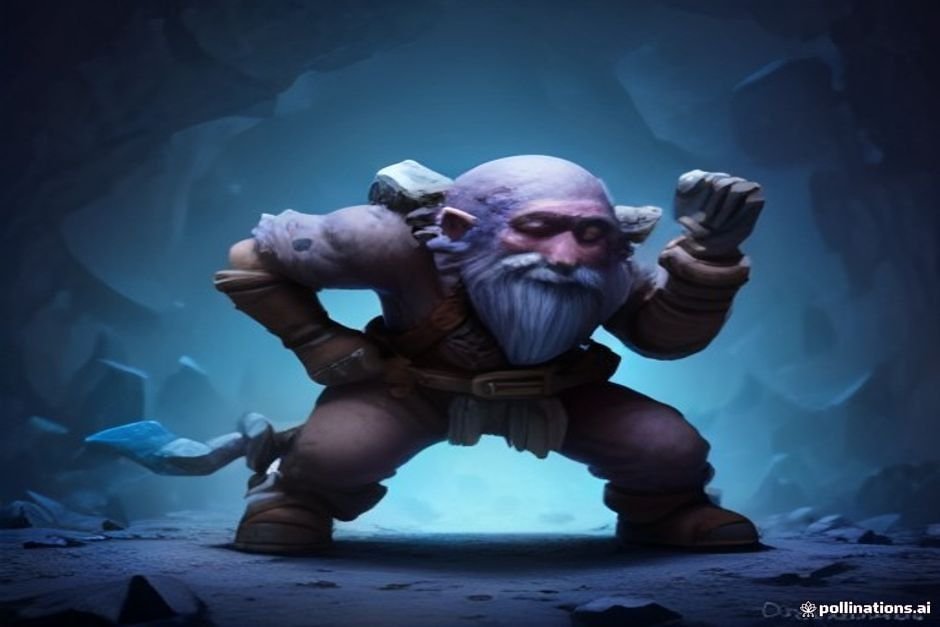
Deep gnome names carry the essence of subterranean mystery, ancient craftsmanship, and the quiet wisdom that dwells beneath the earth. Whether you’re creating a character for Dungeons & Dragons, a tabletop RPG, or a fantasy novel, choosing the right gnome names helps bring authenticity and personality to your underground dweller. Deep gnomes, also known as Svirfneblin, possess a unique cultural heritage that blends practical ingenuity with magical intrigue, and their naming conventions reflect centuries of tunnel-dwelling tradition.
The naming traditions of deep gnomes differ significantly from their surface-dwelling cousins. Their names tend to include harder consonants, guttural sounds, and references to minerals, stones, and underground phenomena that shape their daily lives beneath the mountains and caverns.
What Makes Deep Gnome Names Unique?
Deep gnome culture emphasizes practical skills, stonework, and survival in harsh underground environments. Their names often incorporate sounds like “sk,” “ch,” “th,” and “gr” that evoke the scraping of tools against stone and the echo of cavern halls.
Many gnome names reference precious gems, metals, or geological features—this reflects their deep connection to the earth and their mastery of mining and craftsmanship. The naming structure typically balances functionality with artistic flair, much like their architectural achievements.
Deep gnome society values both individual identity and clan connection. You’ll often find family surnames that reference ancestral deeds, notable locations, or signature craftwork traditions passed down through generations.
Deep Gnome Names: Male Character Options

- Stonehart
- Glintwick
- Brasskin
- Thornwick
- Deepdelver
- Ironfoot
- Granitesmith
- Shadowchiseler
- Blazegrind
- Chromite
- Duskforger
- Feldspar
- Grayling
- Hastywick
- Ironbark
- Jasperon
- Kettlewhisper
- Latchkey
- Mithrelson
- Nightshape
- Obsidian
- Pyrithorn
- Quartz
- Ravenshape
- Silica
- Tinkergem
- Underwick
- Veinrake
- Whisperstone
- Xenolith
- Yarrow
- Zircon
Deep Gnome Names: Female Character Options

- Amethystine
- Berryx
- Calcitine
- Dawnvein
- Emeralda
- Flintwhisper
- Gemina
- Halcyon
- Iris
- Jasmine
- Kristal
- Luminara
- Malachite
- Nightstalker
- Opal
- Pyrite
- Quartzine
- Ravenna
- Silvara
- Thornwhisper
- Underwick
- Veilia
- Wisteria
- Xylia
- Yarria
- Zephyra
- Argoyne
- Basaltine
- Cindara
- Diamonde
- Echova
- Felspar
Unisex and Clan-Based
- Stoneguard
- Deeproot
- Ironhollow
- Silverdelve
- Blackstone
- Gravelthorn
- Shardwork
- Rockwhisper
- Caveward
- Dustbringer
- Flintkeeper
- Graniteward
- Heartshaper
- Ironrender
- Jadekeeper
- Keystone
- Loderunner
- Minecaller
- Nightdelve
- Orechaser
- Pathfinder
- Quellbringer
- Rockworthy
- Stonesmith
- Tunnelwise
- Undermarked
- Veintender
- Worldshaker
- Xylocutter
- Yardbringer
- Zonekeeper
Warrior and Combat-Themed
- Battleshape
- Bladespark
- Crushrock
- Darkblade
- Earthfist
- Firestrike
- Gravelbeast
- Ironjaw
- Jade Breaker
- Killstone
- Lightstrike
- Mightygranite
- Nightshear
- Onslaught
- Piercecave
- Quartzcrash
- Ragesmith
- Stonerender
- Thrashrend
- Unbreaker
- Vortexstone
- Warhammer
- Xenoblade
- Yardwarder
- Zealotrock
Artisan and Craftsperson
- Alchemix
- Brassheart
- Coppersmith
- Diamondwright
- Engravix
- Forgecall
- Gemcutter
- Handlecraft
- Jewelwright
- Kilnmaster
- Laceworker
- Masonwhip
- Needlecraft
- Oilwright
- Potterwick
- Quicksilver
- Runecarver
- Silverweaver
- Tinkerwhit
- Urecraft
- Vaultshaper
- Wiredancer
- Xylosmith
- Yarnweaver
- Zodiaker
Mystical and Magical
- Aetherwizard
- Bitterwick
- Crystalwhisper
- Duskrune
- Enchantryx
- Fadespell
- Glimmercraft
- Hollowtome
- Incantarix
- Jinxworker
- Kroneshaper
- Luminox
- Mysticshard
- Nightweaver
- Oathbinder
- Phantomwhisk
- Quarterstaff
- Runecaster
- Shadowmyst
- Thaumaturge
- Unravelix
- Veilbringer
- Witchcraft
- Xystrum
- Yonderseer
- Zenwhisper
Scout and Rogue-Type
- Ashstep
- Blackwhisper
- Darkprowl
- Echofoot
- Faderunner
- Ghostlock
- Hiddenpaw
- Intriguix
- Jadestealth
- Keyholder
- Lurkshadow
- Moonprowl
- Nightstep
- Oathbreaker
- Pixeljump
- Quietsong
- Robberwick
- Shadowdancer
- Trickery
- Unseen
- Veilfoot
- Whispersneak
- Xenophile
- Yarrowstep
- Zephyrghost
Naming Tips for Deep Gnome Characters
- Draw from geology: Think of actual minerals, gems, and stone types when brainstorming surnames or personal names that sound authentic to underground life.
- Use harder consonant clusters: Incorporate combinations like “sk,” “ch,” “gr,” and “th” to evoke the gnome’s mountain heritage and the sounds of working stone.
- Mix practical and poetic: Combine descriptive craft words (Smith, Delver, Cutter) with natural elements (Stone, Granite, Vein) for balanced, memorable names.
- Consider your character’s role: Warriors benefit from names suggesting strength or combat, while artisans thrive with craft-related naming elements that hint at their specialty.
- Honor the clan tradition: Many deep gnome characters have both a personal name and a clan surname—the surname often reflects a famous ancestor’s achievement or the clan’s signature craft.
- Avoid surface-gnome conventions: Gnome names feel distinctly different from cheerful, punny surface gnome names—embrace the underground aesthetic.
- Test pronunciation: Say your chosen name aloud to ensure it flows naturally and sounds appropriately grounded and serious for a subterranean dweller.
For more on fantasy naming conventions and gnome lore, see Wikipedia’s article on Gnomes.
If you’re building a character for a tabletop campaign, consider pairing your chosen deep gnome name with a compelling backstory about your character’s craft, their family’s clan history, or a notable achievement in the mines. You might also enjoy exploring female villain names or party names if you’re crafting a larger cast of characters for your fantasy world.
Frequently Asked Questions
What is the difference between deep gnome names and surface gnome names?
Deep gnome names use harder consonants and mineral-inspired themes reflecting their underground culture, while surface gnomes typically have lighter, more whimsical-sounding names tied to nature and creativity above ground.
Can I combine elements from different deep gnome name lists to create a unique name?
Absolutely! Mixing a male personal name with a unisex clan surname, or blending craftsperson and warrior elements, creates personalized characters that feel fresh while maintaining thematic consistency.
Are these names appropriate for published D&D campaigns?
Yes, these names follow D&D fantasy conventions and lore for deep gnomes (Svirfneblin), making them perfect for official campaigns, homebrew worlds, or any tabletop RPG system featuring gnome characters.
How do I pronounce deep gnome names correctly in game?
There’s no single “correct” pronunciation—emphasize the harder consonants and roll your Rs slightly for an underground feel, or ask your table how they imagine it sounding before the campaign begins.
Conclusion
Selecting the perfect deep gnome name is an opportunity to honor both the craftsmanship and the mysterious depths of your character’s heritage. Whether you choose a name emphasizing their warrior spirit, magical talent, or artisan skill, the names listed above offer authentic options that capture the essence of subterranean gnome culture and bring your D&D character or fantasy creation to life.