Female Villain Names: 180+ Powerful, Dark, and Memorable Character Names for Your Stories
Creating a compelling antagonist requires the right name, and selecting from hundreds of female villain names can feel overwhelming. A villain’s name should sound menacing, memorable, and fit the character’s personality and backstory. Whether you’re writing a novel, developing a video game, creating a screenplay, or designing a tabletop character, the perfect name can elevate your villain from forgettable to unforgettable. This guide provides over 180 carefully curated female villain names organized by style and origin, complete with guidance on choosing the right one for your story.
Classic Theatrical Female Villain
These names carry dramatic weight and timeless elegance, perfect for villains with sophisticated schemes or classical charm.
- Morwenna
- Ursula
- Margot
- Vivienne
- Cassandra
- Cleo
- Theodora
- Giselle
- Valentina
- Isolde
- Marguerite
- Cleopatra
- Delilah
- Ophelia
- Esmeralda
- Violetta
- Madame Morgana
- Beatrice
- Evangeline
- Loretta
Dark and Mystical Female Names
These names evoke magic, mystery, and supernatural power ideal for witches, sorceresses, and dark fantasy antagonists.
- Morrigan
- Lilith
- Hecate
- Nyx
- Persephone
- Selene
- Serafina
- Circe
- Morgana
- Ravenna
- Sylvara
- Vesper
- Nocturna
- Elowen
- Raven
- Sable
- Nightshade
- Ash
- Ebony
- Sorrow
- Phantasia
- Liliana
- Daphne
- Calypso
- Medusa
Strong and Fierce
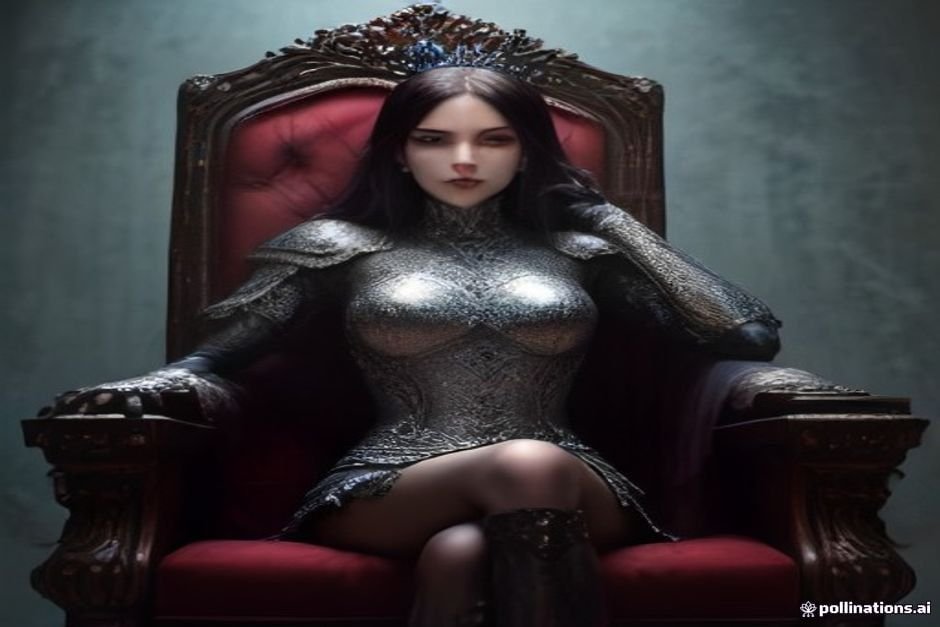
Perfect for warrior antagonists, ruthless criminals, and powerful villains who command respect through sheer force.
- Valerie
- Xena
- Rhonda
- Kora
- Freya
- Brynhild
- Astraea
- Nephele
- Alecto
- Artemis
- Brunhilda
- Belladonna
- Raven
- Sylvia
- Soraya
- Thalia
- Vada
- Willow
- Dominique
- Sophia
- Petra
- Kaida
- Saga
- Fiona
- Sienna
Modern and Sleek
These contemporary names work well for modern settings, corporate antagonists, and villains in crime dramas or thrillers.
- Alex
- Morgan
- Harper
- Blake
- Riley
- Sydney
- Cameron
- Dakota
- Raven
- Sienna
- Taylor
- Jordan
- Madison
- Veronica
- Natasha
- Victoria
- Nicole
- Scarlett
- Monroe
- Phoenix
- Sage
- Indigo
- Haven
- Winter
- Valentina
Exotic and Rare Villain Names
These distinctive names come from various cultures and languages, offering unique flavor for truly memorable antagonists.
- Katsura
- Yuki
- Akira
- Lila
- Azura
- Zephyr
- Aaliyah
- Amara
- Zariah
- Sarai
- Kiara
- Leila
- Zara
- Nila
- Priya
- Anaya
- Indira
- Kali
- Nala
- Zahara
- Savanah
- Shira
- Naira
- Veda
- Asha
Devious and Cunning
These names suggest intelligence, scheming, and manipulation—perfect for masterminds and calculating antagonists.
- Lucinda
- Prudence
- Iris
- Cecilia
- Dolores
- Margot
- Fawn
- Daphne
- Petra
- Jacqueline
- Mabel
- Isolde
- Gwendolyn
- Felicity
- Penelope
- Eleanor
- Constance
- Irene
- Helena
- Adelaide
- Arabella
- Rosalind
- Celeste
- Minerva
- Diana
Evil and Menacing Female Villain Names
Designed to sound inherently threatening and dark, these names work best for the most dangerous antagonists in your story.
- Malice
- Nemesis
- Tempesta
- Inferna
- Obscura
- Morta
- Venom
- Scarab
- Sinistra
- Verity
- Morticia
- Grizelda
- Harriet
- Desdemona
- Medea
- Jezebel
- Hera
- Lamia
- Scylla
- Nemesis
- Erinyes
- Alastor
- Banshee
- Ridley
- Marlowe
Fantasy and Supernatural Female Villain Names
These names are perfect for fantasy worlds, paranormal stories, and supernatural fiction where gods, demons, and magical beings reside.
- Astaroth
- Lilac
- Sindel
- Malefica
- Thalassa
- Nephren
- Evanthe
- Sylph
- Sithara
- Vexara
- Dryandra
- Krynn
- Maleficent
- Sorceress
- Ravenna
- Ysera
- Azalea
- Lyralei
- Keladry
- Saphira
- Thessaly
- Vanora
- Wyldfire
- Zephyra
- Thessara
For more on crafting compelling character names and antagonist development, see Wikipedia’s article on villains.
How to Choose a Great Female Villain Name
- Match the character’s origin: Choose a name that fits your villain’s cultural background, time period, and world. A medieval sorceress needs a different style than a modern corporate antagonist.
- Consider sound and pronunciation: Say the name aloud. Does it sound menacing or memorable? Avoid names that are difficult for your audience to pronounce or remember.
- Avoid overused clichés: While some classic names are powerful, consider whether your villain needs something more unique to stand out in your story.
- Reflect personality through meaning: Research what your chosen name means. Names with dark, powerful, or ironic meanings can add depth to your character.
- Test for versatility: Ensure the name works in dialogue, appears well in print, and functions across all your story’s mediums (book, film, game, etc.).
- Make it memorable: The best villain names are ones readers won’t forget long after finishing your story. Choose something distinctive that stands out from minor characters.
If you’re developing characters for tabletop gaming, you might also find inspiration in our guide to evil female names or explore Shadar-Kai names for dark fantasy settings.
Frequently Asked Questions
What makes a good female villain name?
A strong female villain name should be memorable, fit the character’s background and personality, and ideally suggest threat, mystery, or power. The name should feel natural when spoken aloud and distinct from other characters in your story.
Can I use real names for villains?
Absolutely. Real names can work well for modern or grounded stories, especially when the villain operates in contemporary settings like crime thrillers or political dramas. Real names can actually make villains feel more dangerous because they’re believable.
Should a villain’s name sound evil?
Not necessarily. Some of the most compelling villains have ordinary-sounding names, which makes them more unpredictable and realistic. However, for fantasy or supernatural stories, more dramatic names often enhance the atmosphere.
How do I avoid naming my villain too similarly to other characters?
Keep a character name list as you develop your story. Make sure your villain’s name stands out phonetically and visually from heroes and supporting characters. Avoid names that start with the same letter or sound too similar to prevent reader confusion.