
Different Types of Suits Names: A Complete Guide to Men’s & Women’s Suit Styles
When it comes to building a versatile wardrobe, understanding different types of suits names is essential. Whether you’re shopping for a professional blazer, attending a formal event, or simply upgrading your style, knowing the distinctions between suit styles helps you make informed choices that fit your lifestyle and preferences. Each suit type serves a unique purpose, flatters different body types, and works best for specific occasions.
Understanding Different Types of Suits Names
Suit terminology can feel overwhelming, but breaking down different types of suits names into clear categories makes shopping and styling much easier. From the classic two-piece suit to modern slim-fit designs, each style has its own name, silhouette, and appropriate use cases. Learning these distinctions ensures you invest in pieces that work well for your wardrobe.
Classic Business Suits
- Two-Piece Suit
- Three-Piece Suit
- Single-Breasted Suit
- Double-Breasted Suit
- Notch Lapel Suit
- Peak Lapel Suit
- Shawl Lapel Suit
- Sack Suit
- Lounge Suit
- Business Suit
- Charcoal Suit
- Navy Suit
- Gray Suit
The classic business suit remains the foundation of professional wardrobes everywhere. The two-piece suit—jacket and trousers—is the most versatile option for office environments. A three-piece suit adds a vest, offering more visual interest and formality when paired with a tie.
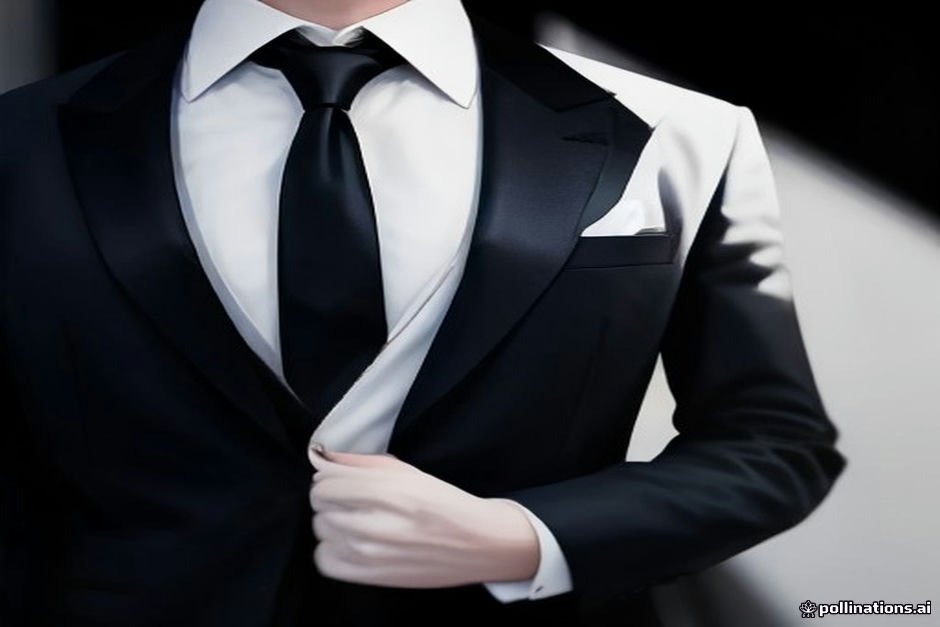
Single-breasted suits feature buttons down the center on one side, while double-breasted suits have buttons on both sides with a distinctive overlap. Notch lapels are the most common and approachable style, whereas peak lapels create a sharper, more formal appearance. Shawl lapels curve smoothly without a notch, typically seen on dinner jackets and tuxedos.
Formal Evening Suits
- Tuxedo
- White Tie Suit
- Black Tie Suit
- Dinner Jacket
- Tailcoat
- Morning Suit
- Cutaway Coat
- Prince Charles Suit
- Smoking Jacket
- Mess Dress
Formal evening suits represent the pinnacle of dressing up. A tuxedo, also called a dinner suit, features a jacket with silk lapels and matching trousers with a silk stripe down the leg. White tie is the most formal dress code, requiring a tailcoat with a white piqué waistcoat and white bow tie.
The morning suit, traditionally worn at daytime formal events like weddings and court occasions, pairs a cutaway coat with striped morning trousers. A tailcoat extends below the knees at the back and is considered the most elegant formal option. Mess dress is military formal wear, while a smoking jacket is a velvet dinner jacket worn for semi-formal occasions.
Contemporary Casual Suits
- Slim Fit Suit
- Skinny Suit
- Modern Fit Suit
- Comfort Fit Suit
- Tailored Suit
- Oversized Suit
- Relaxed Fit Suit
- Regular Fit Suit
- Straight Fit Suit
- Casual Blazer
- Sport Coat
- Unstructured Suit
Modern suit cuts offer more variety than ever before. Slim fit suits hug the body closer while maintaining proportion, making them popular for younger professionals and fashion-forward dressers. Skinny suits take this even further with a narrower cut throughout.
Comfort fit and relaxed fit suits provide more room through the chest, waist, and thighs for all-day wearability. Modern fit splits the difference between classic and slim, offering a contemporary look without extreme tailoring. Oversized suits have returned to fashion, creating a deliberately loose, confident silhouette.
Seasonal and Fabric-Specific Suits
- Linen Suit
- Seersucker Suit
- Cotton Suit
- Wool Suit
- Tweed Suit
- Flannel Suit
- Silk Suit
- Velvet Suit
- Summer Suit
- Winter Suit
- Lightweight Suit
- Heavy Weight Suit
Fabric choice dramatically affects how a suit looks and functions. Linen suits are breathable and perfect for warm climates, though they wrinkle easily. Seersucker, with its distinctive puckered texture, is both practical and stylish for summer events.
Wool remains the most versatile choice year-round, offering durability and temperature regulation. Tweed provides texture and is traditionally associated with country wear and British style. Flannel adds warmth and visual interest for fall and winter, while velvet suits make bold fashion statements for special occasions.
Specialty and Cultural Suits
- Zoot Suit
- Pinstripe Suit
- Checkered Suit
- Houndstooth Suit
- Windowpane Suit
- Glen Plaid Suit
- Plaid Suit
- Bespoke Suit
- Ready-to-Wear Suit
- Made-to-Measure Suit
- Nehru Suit
- Wedding Suit
Specialty suits showcase personality and cultural style. The zoot suit, popular in mid-20th century fashion, features a high-waisted, wide-legged cut with exaggerated proportions. Pinstripe, checkered, houndstooth, and windowpane suits add visual interest through pattern while maintaining professionalism.
Bespoke suits are custom-made from scratch, while made-to-measure suits are tailored versions of base patterns. Ready-to-wear suits come off the rack with minimal alterations needed. The Nehru suit, featuring a nehru jacket with a mandarin collar, represents Indian formal wear tradition.
Women’s Suit Styles
- Pantsuit
- Skirt Suit
- Trouser Suit
- Blazer and Dress
- Peplum Suit
- Cropped Suit
- Long Suit
- Boyfriend Suit
- Fitted Suit
- Power Suit
- Maternity Suit
- Formal Women’s Suit
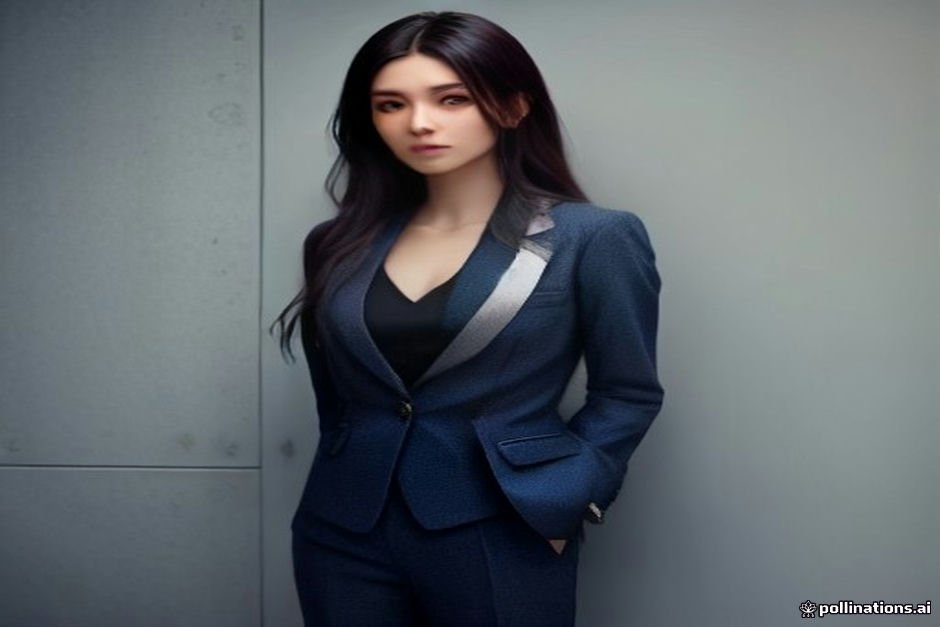
Women’s suits offer flexibility in silhouette and style. A pantsuit pairs a jacket with trousers, providing a powerful, professional appearance. A skirt suit maintains classic feminine elegance, while the trouser suit gives structured sophistication.
The boyfriend suit features an oversized, relaxed fit inspired by menswear proportions. Power suits emphasize strong shoulders and tailored lines for maximum impact in professional settings. A peplum suit adds volume at the hips through ruffled fabric detail, while cropped and long versions vary the jacket length for different body types and preferences.
Hybrid and Modern Suit Variations
- Blazer Only
- Sport Coat with Dress Pants
- Cardigan Suit
- Knit Suit
- Track Suit
- Athleisure Suit
- Denim Suit
- Leather Suit
- Suiting Separates
- Mix-and-Match Suit
Modern fashion blurs the lines between traditional suits and contemporary casual wear. Sport coats worn with dress pants create a polished look without committing to a full matching suit. Knit suits use jersey fabrics for comfort while maintaining structure and formality.
Athleisure suits blend athletic aesthetics with professional tailoring, while denim suits push casual boundaries. Leather suits make bold fashion statements for evening wear or fashion-forward professionals. Mix-and-match suiting systems allow you to buy separates and create multiple outfit combinations from fewer pieces.
How to Choose a Great Suit
- Know Your Occasion: Formal events require tuxedos or tailcoats, while business settings suit two-piece classical suits, and casual venues allow for blazers or unstructured options.
- Consider Your Body Type: Slim builds benefit from standard or tailored fits, while broader frames suit relaxed or modern fits that accommodate larger chest and shoulder measurements.
- Select Appropriate Fabric: Choose wool for durability and year-round wear, linen for summer, tweed for country settings, and velvet or silk for special occasions.
- Choose Your Fit Style: Decide between classic business, contemporary slim, modern casual, or oversized looks based on your personal style and work environment.
- Get Proper Tailoring: Even expensive suits need tailoring to fit perfectly at the shoulders, sleeves, and inseam length for a polished appearance.
- Invest in Neutral Colors First: Navy, charcoal, and gray suits work for multiple occasions and pair easily with various shirts and accessories before exploring patterns or bolder colors.
Finding the perfect suit requires understanding your needs, body type, and lifestyle. If you’re building a professional wardrobe, start with one neutral, well-fitting two-piece suit before expanding into specialty styles. For formal events, consult the dress code requirements carefully to ensure you choose an appropriately formal option like a tuxedo or tailcoat.
For more information on formal dress codes and suit terminology, see Wikipedia’s Suit Clothing Article.
Looking to express your personal style through fashion? Check out our guide on Spanish Girl Names That Start With A for more naming inspiration across different contexts.
Frequently Asked Questions
What’s the difference between a suit and a blazer?
A suit includes a matching jacket and trousers (and sometimes a vest), while a blazer is a single jacket that can be paired with different pants or skirts for a less formal look.
Can I wear a suit casually?
Absolutely! Modern unstructured suits, relaxed fits, and casual fabrics like linen work perfectly for smart-casual settings when paired with loafers or sneakers instead of formal dress shoes.
What suit style is best for first-time buyers?
A classic two-piece suit in navy or charcoal gray with a modern or regular fit is the most versatile choice for beginners, offering practicality for both business and formal occasions.
How often should I have my suit tailored?
Get your suit tailored when you first purchase it and whenever your body changes significantly; annual professional dry cleaning often includes minor adjustments, so ask your cleaner about their services.