
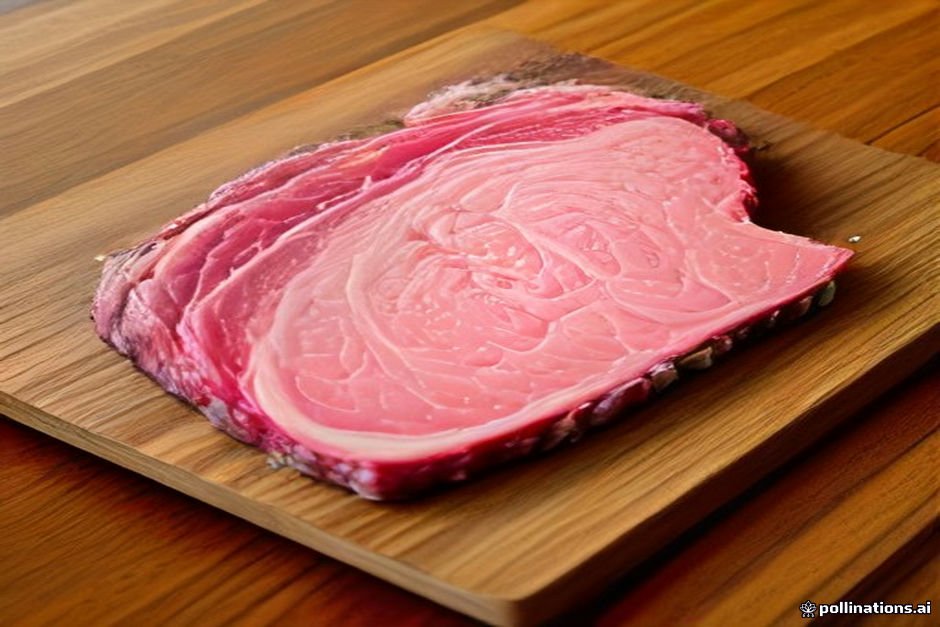
Other Names for Chuck Roast: A Complete Guide to Beef Cuts and Cooking Names
If you’ve spent time in the kitchen or browsing butcher shop cuts, you’ve likely encountered confusion around beef terminology. Understanding other names for chuck roast is essential for both home cooks and anyone shopping for affordable, flavorful beef cuts. This comprehensive guide breaks down the various names this popular cut goes by, helping you navigate menus, recipes, and grocery store labels with confidence.
Understanding Chuck Roast and Its Alternative Names
Chuck roast refers to a cut of beef that comes from the shoulder area of the cow. It’s beloved by home cooks for its rich flavor, marbling, and affordability, making it perfect for slow-cooked dishes like stews, braises, and pot roasts.
The confusion around other names for chuck roast stems from regional variations, butcher terminology, and industry standards. What one butcher calls a chuck roast might have a different name at another shop down the street.
Common Butcher Shop Names for Chuck Roast
- Chuck Steak
- Blade Roast
- Blade Steak
- Shoulder Roast
- Pot Roast
- Chuck Eye Roast
- Cross Rib Roast
- Arm Roast
- Arm Steak
- Chuck Wagon Steak
- Boston Roast
- Shoulder Clod
- Beef Chuck
- Chuck Tender
- Mock Tender
Premium Chuck Roast Variations
Some butchers offer specific cuts from the chuck that command slightly higher prices or are marketed under specialty names. These variations come from different sections within the shoulder area of the beef.
- Chuck Eye Steak
- Ribeye Chuck
- Top Chuck Roast
- Delmonico Chuck
- Center Cut Chuck Roast
- Chuck Under Blade
- Chuck Shoulder Clod
- Beef Shoulder Roast
Regional and International Terminology
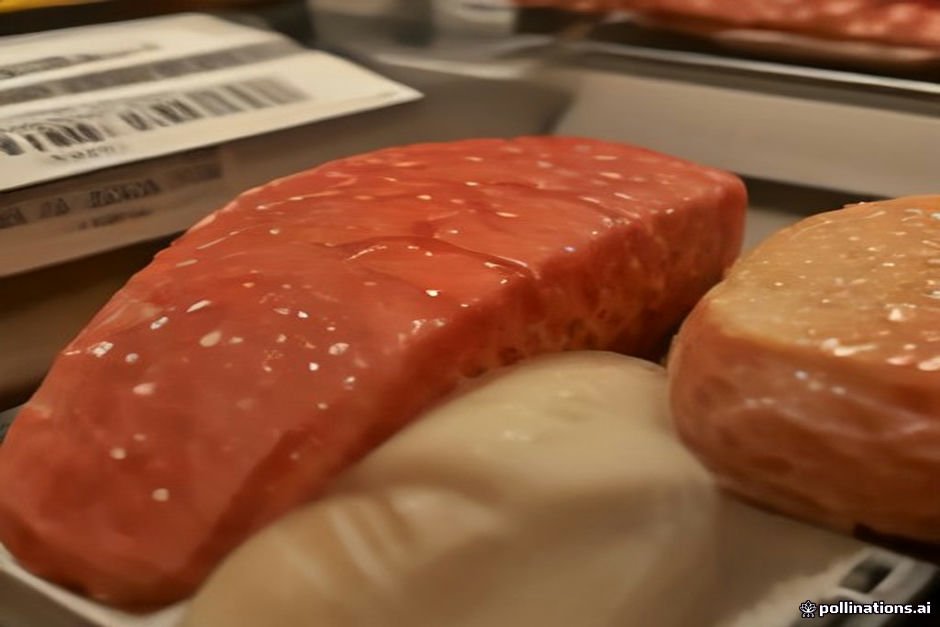
Different regions and countries use distinct terminology for this cut. European butchers, for example, may refer to the same beef differently than American butchers, and supermarket chains sometimes develop their own house names.
- Beef Shoulder (UK/Australia)
- Chuck Roast (USA)
- Shoulder Chuck (Canada)
- Beef Chuck Shoulder
- Chuck Shoulder Steak
- Beef Shoulder Steak
- Shoulder Joint
- Beef Shoulder Joint (UK)
Butcher-Specific and Retail Names
Individual butcher shops and grocery store chains sometimes create their own marketing names to make cuts sound more appealing or to differentiate their product. These names can vary significantly from one location to another.
- Premium Chuck Roast
- Select Chuck Roast
- Choice Chuck Roast
- Grass-Fed Chuck Roast
- Organic Chuck Roast
- Heritage Beef Chuck
- Lean Chuck Roast
- Butcher’s Chuck Roast
- Family Pack Chuck Roast
- Chuck Roast for Stew
Cooking Method-Based Names
Sometimes, other names for chuck roast reflect how the cut is traditionally prepared. These names highlight the best cooking methods for that particular piece of meat.
- Pot Roast Beef
- Braising Beef
- Stewing Beef
- Slow Cooker Roast
- Dutch Oven Roast
- Beef for Roasting
- Beef for Braising
- Beef Chuck for Stew
- Slow Cooking Chuck
- Roasting Shoulder
Specialty Butcher and Ethnic Market Names
Specialty butchers and ethnic markets sometimes use unique names for chuck roast based on traditional cooking methods or cultural preparations. These names reflect how different cuisines traditionally use this affordable, flavorful cut.
- Chuck Roast for Carnitas
- Beef Chuck for Birria
- Beef Shoulder for Barbacoa
- Chuck Roast for Chili
- Shoulder Beef for Tacos
- Beef Chuck for Goulash
- Shoulder Roast for Ragu
- Chuck Beef for Bourguignon
Industrial and Food Service Names
The food service industry uses standardized names based on the Institutional Meat Purchase Specifications (IMPS). Understanding these can help you order correctly at wholesale clubs or commercial suppliers.
- IMPS 116 (Chuck Roast)
- IMPS 115 (Chuck Blade Roast)
- IMPS 114 (Chuck Shoulder Roast)
- Beef Shoulder Clod Roast
- Beef Chuck Shoulder Clod
- Wholesale Chuck Roast
- Commercial Chuck Roast
- Food Service Chuck Roast
- Restaurant Chuck Roast
How to Choose a Great Chuck Roast
When shopping for chuck roast, regardless of what name is used, follow these practical tips to select the best quality meat for your needs.
- Look for marbling: Choose roasts with visible fat distributed throughout the meat, as this adds flavor and keeps the meat tender during long cooking.
- Check the color: Fresh chuck roast should be bright red, not brown or dull gray, indicating freshness and quality.
- Ask your butcher: Butchers can recommend the best cuts for your specific recipe and may offer to trim or tie the roast as needed.
- Consider the size: Select a roast that fits your cooking vessel and matches your serving needs; a 3-5 pound roast typically serves 6-8 people.
- Check the grade: USDA Prime and Choice grades offer better marbling than Select, though chuck roast remains affordable even in higher grades.
- Compare prices: Family packs and bulk purchases often offer better per-pound pricing than smaller individual cuts.
For more information on beef cuts and cooking terminology, see Meat Hunts.
Frequently Asked Questions
Is chuck roast the same as a pot roast?
Chuck roast is a specific cut of meat, while pot roast describes a cooking method. Chuck roast is the most common choice for pot roast, but other cuts can be used for pot roasting too.
Can I use chuck roast for grilling?
Chuck roast is not ideal for grilling because it contains significant connective tissue that requires slow, moist cooking to become tender. Grilling would likely result in tough, chewy meat.
What’s the difference between chuck roast and chuck steak?
Chuck roast and chuck steak both come from the shoulder, but roasts are larger cuts designed for feeding groups, while steaks are individual-portion thickness cuts that can be braised or pan-seared.
Why is chuck roast so affordable compared to other cuts?
Chuck roast comes from the shoulder, a heavily-worked muscle with significant connective tissue. This tissue requires long, slow cooking to break down, making it less versatile than premium cuts, which is why it costs less per pound.
Whether you’re calling it chuck roast, blade roast, or shoulder roast, you’re selecting one of the best budget-friendly beef cuts available. Understanding the different names helps you shop confidently and communicate clearly with butchers about exactly what you need for your next meal.